
Your senior dog may not run to the door as quickly as before, jump onto the couch, or get excited about long walks. Slowing down is common with age, but how can you tell whether your dog is simply getting older or dealing with pain?
Dogs cannot explain when something hurts. Many hide their discomfort, making it difficult for owners to recognize a problem. Small changes in movement, behavior, appetite, and sleep can reveal more than you might expect.
Common signs of pain in senior dogs include stiffness, limping, reduced activity, behavioral changes, excessive licking, difficulty resting, and changes in appetite. These symptoms can be linked to arthritis, dental problems, injuries, or other health conditions.
Understanding these seven warning signs can help you recognize discomfort early, respond appropriately, and protect your older dog’s quality of life.
Why Is Pain Common in Senior Dogs?
As dogs age, their bodies undergo changes that affect their joints, muscles, teeth, and internal organs. Years of movement can contribute to joint wear, while existing health problems may become more noticeable.
Arthritis is a common cause of chronic pain in older dogs. This condition causes inflammation and changes within the joints, making everyday activities uncomfortable.
Other possible causes include:
- Dental disease and infected teeth
- Muscle strains and injuries
- Hip or elbow problems
- Spinal conditions
- Ear infections
- Digestive problems
- Cancer and other underlying illnesses
Pain does not always cause crying or obvious distress. Some dogs continue eating, walking, and interacting with their families despite significant discomfort.
The most useful approach is to watch for changes in your dog’s habits.
1. Difficulty Standing Up or Moving Around
Does your senior dog take longer to get up after sleeping? Do they hesitate before climbing stairs or jumping into the car?
These changes can indicate joint pain or muscle discomfort.
Common Mobility Changes to Watch For
A dog experiencing pain may:
- Struggle to rise from a lying position
- Walk slowly after resting
- Avoid stairs
- Hesitate before jumping
- Shift weight between their legs
- Have difficulty sitting comfortably
- Show stiffness after exercise
Joint pain often becomes more noticeable after long periods of inactivity. Your dog may appear stiff in the morning and move more comfortably after walking for a few minutes.
Stiffness should not automatically be considered a normal part of aging. Arthritis, injuries, and other conditions can affect mobility.
If your dog struggles with activities they previously managed comfortably, arrange a health assessment rather than waiting for the problem to worsen.
2. Limping or Changes in Walking Patterns
Limping is one of the more recognizable signs of pain in senior dogs.
Some dogs develop a noticeable limp, while others change how they walk to avoid putting pressure on a painful area.
You may notice shorter steps, an uneven walking pattern, or reluctance to place weight on one leg.
What Does a Painful Walking Pattern Look Like?
Watch for:
- Favoring one leg
- Walking with an uneven stride
- Dragging or scuffing paws
- Taking shorter steps
- Walking with a hunched back
- Avoiding certain movements
- Becoming tired during short walks
A dog that limps only occasionally still needs attention. Intermittent discomfort can indicate an ongoing joint problem.
Sudden severe limping, inability to bear weight, or weakness in the legs requires prompt medical evaluation.
Avoid forcing your dog to walk through discomfort. Short, controlled movement is safer than strenuous exercise until the cause is identified.
3. Sudden Changes in Behavior or Personality
Your normally friendly dog suddenly growls when touched. Perhaps they spend more time alone or no longer greet family members enthusiastically.
Could pain be affecting their behavior?
Yes. Physical discomfort can change how dogs respond to people, other animals, and everyday situations.
Behavioral Signs That May Indicate Pain
Look for changes such as:
- Becoming unusually irritable
- Growling when handled
- Avoiding physical contact
- Hiding in quiet areas
- Showing less interest in family activities
- Becoming unusually clingy
- Reacting negatively when certain body areas are touched
A dog with back pain may resist being picked up. A dog with painful joints may become defensive when someone touches their legs.
These reactions are often misunderstood as stubbornness or changes in temperament.
Do not punish your dog for growling or pulling away. These behaviors can be warnings that something hurts.
Behavioral changes can also result from hearing loss, cognitive decline, anxiety, or illness. A proper examination helps identify the cause.
4. Excessive Licking, Chewing, or Scratching
Dogs sometimes lick painful areas as a response to discomfort.
If your senior dog repeatedly licks the same leg, paw, or joint, pay attention.
Persistent licking can irritate the skin and create additional problems.
When Does Licking Become Concerning?
Occasional grooming is normal. Repeated attention to one area deserves closer observation.
Signs include:
- Constant licking of a joint
- Chewing at paws or legs
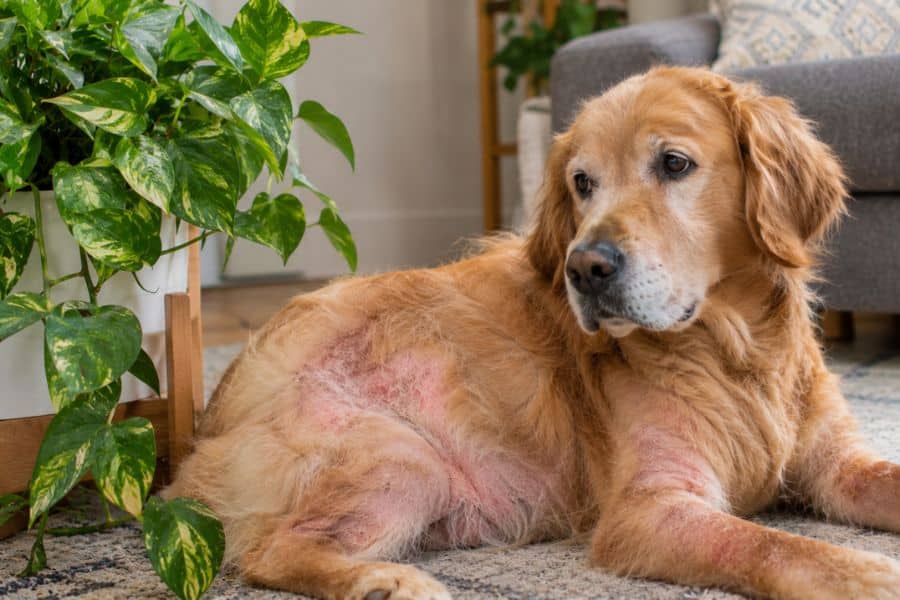
- Red or irritated skin
- Hair loss around one area
- Swelling
- Sensitivity when touched
Joint pain, injuries, skin infections, allergies, and nerve-related discomfort can contribute to these behaviors.
Not every licking habit indicates arthritis. The location, frequency, and appearance of the affected area help determine what may be happening.
Avoid applying human pain creams or other medications without professional guidance. Some products contain ingredients that are harmful to dogs.
5. Restlessness and Changes in Sleeping Habits
Senior dogs often sleep more than younger dogs. However, pain can make it difficult for them to rest comfortably.
Have you noticed your dog repeatedly changing positions before lying down? Do they wake up frequently or pace around the house at night?
These behaviors may indicate discomfort.
Sleep-Related Warning Signs
A dog experiencing pain may:
- Struggle to find a comfortable sleeping position
- Change positions repeatedly
- Wake up throughout the night
- Pace or wander
- Pant while resting
- Avoid their usual sleeping area
- Sleep in unusual positions
Joint discomfort can make hard floors uncomfortable. Back pain may prevent a dog from curling up normally.
Restlessness can also be linked to anxiety, cognitive changes, breathing problems, or other illnesses.
A supportive bed and a quiet sleeping environment can improve comfort, but persistent sleep disturbances require further evaluation.
6. Loss of Appetite or Difficulty Eating
A senior dog that suddenly loses interest in food may be experiencing pain.
Dental disease is one possible cause. Broken teeth, gum inflammation, and oral infections can make chewing uncomfortable.
Pain elsewhere in the body can also affect appetite.
Signs of Pain During Meals
Watch for:
- Refusing dry food
- Chewing on only one side
- Dropping food while eating
- Taking longer to finish meals
- Pulling away from the food bowl
- Showing interest in food but refusing to eat
- Whining while chewing
Some dogs continue eating despite significant dental discomfort, so a normal appetite does not rule out oral pain.
Loss of appetite can also indicate digestive disease, kidney problems, or other health conditions.
Contact your dog’s care provider promptly if they refuse food, especially when the change occurs with vomiting, weakness, or unusual behavior.
7. Panting, Trembling, or Unusual Vocalization
Dogs pant after exercise or when they feel warm. Panting can also occur when they are anxious, stressed, or experiencing pain.
If your senior dog begins panting heavily while resting in a cool room, investigate the change.
Other physical responses to discomfort include trembling, shaking, whining, or unusual vocalization.
Physical Signs That Need Attention
Look for:
- Heavy panting without exercise
- Trembling while resting
- Whining when changing positions
- Yelping when touched
- Unusual groaning
- Rapid breathing
- Difficulty settling down
Not every dog vocalizes when something hurts. Some remain quiet even when dealing with considerable pain.
Heavy panting accompanied by breathing difficulty, collapse, pale gums, or severe weakness requires immediate medical attention.
These symptoms can indicate serious problems beyond ordinary age-related discomfort.
How Can You Tell Normal Aging From Pain?
Aging can change your dog’s energy level and daily routine, but persistent discomfort is not something they should simply have to tolerate.
The difference often becomes clearer when you consider how a change affects everyday activities.
| Possible Age-Related Change | Possible Sign of Pain |
|---|---|
| Preferring shorter walks | Refusing to walk or limping |
| Sleeping longer | Restlessness or difficulty getting comfortable |
| Moving at a slower pace | Struggling to stand or climb stairs |
| Playing less intensely | Avoiding movement altogether |
| Developing gray hair | Licking painful areas or reacting when touched |
| Needing more rest after activity | Panting, trembling, or showing distress while resting |
These comparisons are general guides, not a diagnosis. Even gradual changes can be caused by treatable conditions.
If a new behavior affects your dog’s comfort or normal routine, it deserves attention.
What Should You Do if Your Senior Dog Shows Signs of Pain?
Recognizing discomfort is the first step. Taking appropriate action can prevent unnecessary suffering.
Keep a Record of Symptoms
Write down when the problem started and how frequently it occurs.
Include details about walking, eating, sleeping, and behavior.
Short videos of unusual movements can also help your dog’s care team understand what happens at home.
Make Daily Activities Easier
Simple household adjustments can reduce strain on painful joints.
Consider:
- Providing soft, supportive bedding
- Using nonslip rugs
- Keeping food and water within easy reach
- Limiting unnecessary stair climbing
- Using ramps when appropriate
- Maintaining a comfortable room temperature
- Avoiding strenuous exercise
These changes support comfort but do not replace treatment.
Avoid Giving Human Pain Medication
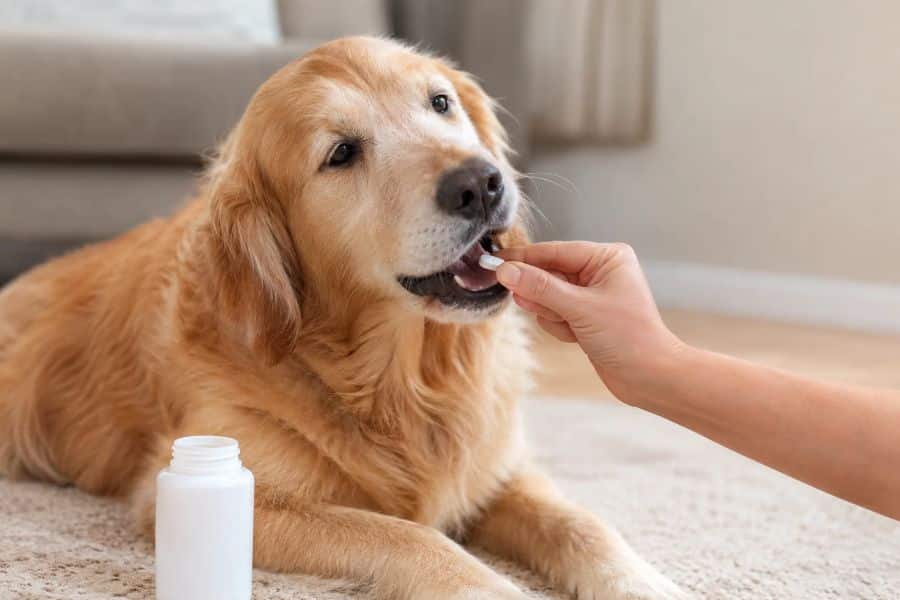
Never give your dog ibuprofen, acetaminophen, naproxen, or other human pain medications unless a qualified professional has directed you to do so.
Common household medications can cause serious poisoning, stomach ulcers, kidney damage, or liver injury in dogs.
Pain relief should be selected according to your dog’s condition, age, weight, and overall health.
Schedule a Health Assessment
A professional examination can help identify whether discomfort comes from arthritis, dental disease, injury, or another condition.
Depending on the symptoms, an assessment may include a physical examination, blood tests, imaging, or other diagnostic procedures.
Appropriate veterinary care can help identify the source of pain and guide treatment decisions.
Conclusion: Recognizing Pain Can Improve Your Senior Dog’s Quality of Life
Growing older changes how dogs move, rest, and interact with their surroundings. Some changes are expected, but pain should never be dismissed as an unavoidable part of aging.
Stiffness, limping, unusual behavior, excessive licking, restless sleep, appetite changes, and unexplained panting are seven important signs that your senior dog may be uncomfortable.
The most reliable way to recognize a problem is to pay attention to what is normal for your individual dog. A small change in a familiar routine can reveal a health concern before more serious symptoms develop.
Comfort also matters. Simple changes around the house can make daily activities easier, while appropriate medical treatment can address underlying conditions and improve mobility.
If your older dog shows persistent signs of discomfort, book an appointment for a thorough health assessment. Identifying the cause of pain early can help you make informed decisions and support a healthier, more comfortable life for your senior companion.
Frequently Asked Questions(FAQs):
1. How do I know if my senior dog is hiding pain?
A: Look for subtle changes in movement, appetite, sleep, and behavior. Your dog may avoid stairs, become less playful, lick one area repeatedly, or resist being touched. Dogs often hide discomfort, so even small changes deserve attention.
2. Is it normal for older dogs to have joint pain?
A: Joint problems become more common as dogs age, but ongoing pain should not be accepted as normal. Arthritis and other conditions can affect mobility. Early assessment and appropriate treatment can help maintain comfort and daily activity.
3. Why is my senior dog suddenly having trouble walking?
A: Sudden walking difficulties can result from injuries, joint problems, spinal conditions, or neurological issues. A dog that cannot stand, drags their legs, or develops sudden weakness needs urgent medical evaluation.
4. Can a senior dog be in pain without crying?
A: Yes. Many dogs remain quiet even when experiencing significant discomfort. Changes in posture, walking, sleeping, appetite, and social behavior can reveal pain. Crying is not required for a dog to be hurting.
5. What can I do to help my senior dog feel more comfortable?
A: Provide supportive bedding, nonslip flooring, easy access to essential items, and gentle activity suited to your dog’s abilities. Maintain a healthy weight and arrange a health assessment to identify the cause of discomfort and discuss safe treatment options.