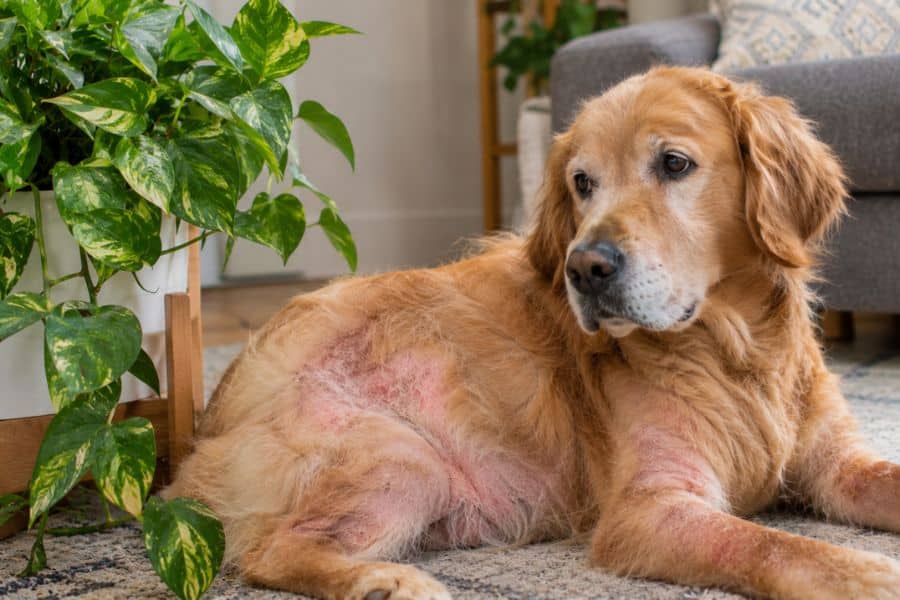
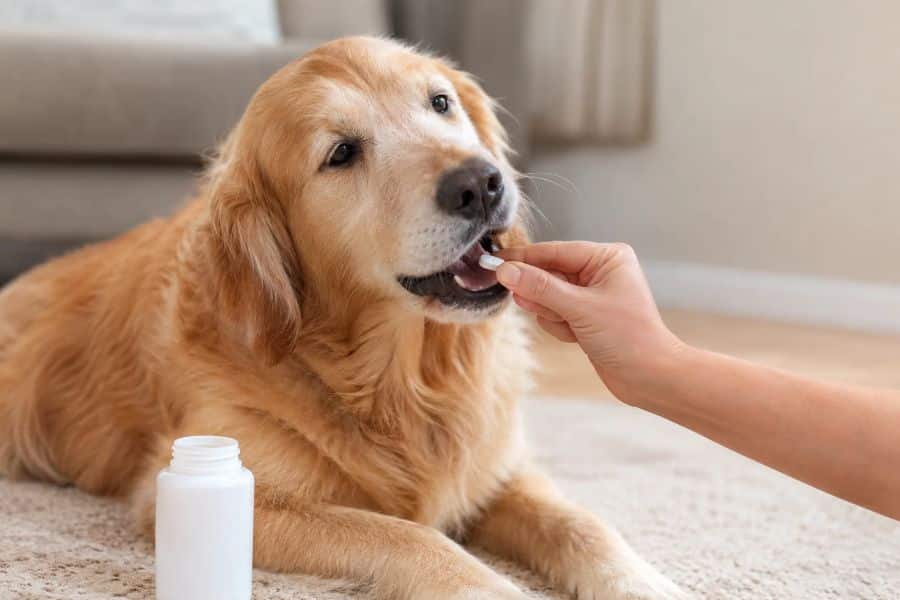
Apoquel can bring meaningful relief to dogs experiencing persistent itching, licking, chewing, and irritated skin. The correct amount depends on body weight and tablet strength. The standard starting schedule is twice daily for up to 14 days, followed by once-daily maintenance when prescribed.
This guide covers Apoquel dosage for dogs, a weight-based dose chart, administration instructions, common side effects, long-term safety, and overdose concerns. The chart is a reference, not a prescription. Never start, increase, or restart Apoquel without professional guidance.
What Is Apoquel and What Does It Treat?
Apoquel is the brand name for oclacitinib, an oral medication that targets immune signals involved in itching and inflammation. It helps control itching associated with allergic dermatitis and atopic dermatitis.
It is approved for dogs at least 12 months old. It is not intended for cats or younger puppies. Fleas, mites, bacterial infections, yeast infections, and food allergies can also cause itching. Identifying the underlying trigger remains important, even when medication improves symptoms.
Apoquel Dosage for Dogs: Standard Dose
The recommended dose is 0.4–0.6 mg per kilogram (0.18–0.27 mg per pound) of body weight.
The standard treatment schedule is:
- Initial treatment: Twice daily for up to 14 days.
- Maintenance treatment: Once daily after the initial period, when prescribed.
Apoquel is available in 3.6 mg, 5.4 mg, and 16 mg tablets. Chewable tablets are also available. The appropriate tablet combination depends on your dog’s weight. Never estimate the dose, share another dog’s medication, or give an additional tablet when itching returns.
Apoquel Dosage Chart by Weight
The following chart reflects the U.S. product-label dosing schedule. Each amount represents one administration, not the total daily amount.
| Dog’s weight | 3.6 mg tablet | 5.4 mg tablet | 16 mg tablet |
|---|---|---|---|
| 6.6–9.9 lb (3.0–4.4 kg) | ½ | — | — |
| 10.0–14.9 lb (4.5–5.9 kg) | — | ½ | — |
| 15.0–19.9 lb (6.0–8.9 kg) | 1 | — | — |
| 20.0–29.9 lb (9.0–13.4 kg) | — | 1 | — |
| 30.0–44.9 lb (13.5–19.9 kg) | — | — | ½ |
| 45.0–59.9 lb (20.0–26.9 kg) | — | 2 | — |
| 60.0–89.9 lb (27.0–39.9 kg) | — | — | 1 |
| 90.0–129.9 lb (40.0–54.9 kg) | — | — | 1½ |
| 130.0–175.0 lb (55.0–80.0 kg) | — | — | 2 |
A dash indicates that the tablet strength is not used for that weight range. Tablets are scored for halves. Quartering is not recommended because accurate dosing cannot be guaranteed. Dogs outside the listed weight ranges require an individualized prescription.
Important: Confirm your dog’s current weight, tablet strength, and prescribed amount before administration. Do not use this chart to independently change an existing prescription.
How Often Should You Give Apoquel?
During the first 14 days, Apoquel is generally administered every 12 hours. The maintenance schedule changes to once every 24 hours after this period, if continued treatment is appropriate.
Apoquel can be given with or without food. Maintain a consistent schedule and follow the prescription label. Never double the next dose after a missed administration. Contact your clinic if your dog vomits after taking the medication or accidentally receives an extra tablet.
Common Apoquel Side Effects in Dogs
Most reported side effects involve digestive changes or reduced energy. These include:
- Vomiting and diarrhea.
- Reduced appetite.
- Lethargy or unusual tiredness.
- Skin or ear infections.
- New skin growths or changes in bloodwork.
Contact your veterinarian if symptoms persist or worsen. Seek immediate attention for breathing difficulties, facial swelling, collapse, severe weakness, or another sudden serious reaction.
Is Apoquel Safe for Long-Term Use?
Some dogs require ongoing allergy management, but long-term Apoquel use needs regular reassessment. The medication affects immune-system activity and may increase susceptibility to infections or worsen certain existing cancers.
It should not be used in dogs with serious infections. Dogs with recurring infections or a cancer history may require additional consideration.
Your veterinarian may recommend examinations and blood tests depending on your dog’s medical history and treatment duration. Always disclose other medications, particularly steroids and immune-modifying drugs. Never combine treatments or discontinue a prescribed plan independently.
What Happens If a Dog Gets Too Much Apoquel?
An accidental extra tablet or repeated dosing error requires prompt professional advice. Contact your veterinarian or an animal poison service. Provide your dog’s weight, tablet strength, number of tablets administered, and timing.
Do not induce vomiting or attempt home treatment unless instructed. Keep the medication packaging available so the exact formulation can be identified.
Managing Dog Allergies Beyond Medication
Apoquel controls itching but does not eliminate its underlying cause. Effective allergy management may involve flea prevention, infection treatment, appropriate bathing, and a carefully supervised diet.
A skin examination and diagnostic testing can help distinguish allergies from parasites and infections. For persistent itching or recurring skin problems, explore dermatology services through internal medicine. Regular checkups also help monitor skin condition, weight, and treatment response.
Help Your Dog Find Relief Safely
Apoquel dosage depends on your dog’s weight, tablet strength, and treatment stage. A dose chart helps explain the prescription, but it cannot replace an individualized assessment. Never adjust medication to achieve faster relief or share tablets between pets.
If your dog constantly scratches, chews its paws, or experiences recurring skin irritation, arrange an examination before symptoms worsen. Book an appointment to discuss your dog’s allergies, treatment options, and medication monitoring. A personalized care plan can help restore comfort while protecting your dog’s overall health.
Frequently Asked Questions(FAQs):
1. How quickly does Apoquel work in dogs?
A: Many dogs experience reduced itching within hours, with noticeable improvement often occurring during the first day. Individual responses vary. Persistent scratching requires reassessment rather than increasing the prescribed dose.
2. Can I give my dog Apoquel once daily?
A: Once-daily administration is the standard maintenance schedule after the initial twice-daily treatment period of up to 14 days. Follow your dog’s prescription and never change the schedule independently.
3. Can Apoquel be given with food?
A: Yes. Apoquel can be administered with or without food. Maintain a consistent routine. If your dog vomits after taking a tablet, contact your veterinarian before repeating the dose.
4. Can puppies take Apoquel?
A: Apoquel is approved for dogs at least 12 months old. Younger puppies require an examination to identify the cause of itching and determine an appropriate treatment based on their age.
5. What are the most common side effects of Apoquel?
A: Commonly reported effects include vomiting, diarrhea, reduced appetite, and lethargy. Skin and ear infections may also develop. Report persistent symptoms and seek urgent attention for severe reactions.
6. Can dogs stay on Apoquel for years?
A: Some dogs need ongoing treatment, but long-term use requires regular professional review. Your veterinarian should assess treatment benefits, infection risks, medical history, and appropriate monitoring before continuing therapy.