


A Simple Step That Protects Your Dog for Life
Losing a dog is every pet owner’s fear, and finding them again can feel uncertain without proper identification. At Rawls Veterinary Hospital, we provide reliable dog microchipping in Daytona Beach to help quickly and safely reunite pets with their families. A tiny chip placed under your dog’s skin can make a lasting difference during unexpected situations.
Microchipping gives your pet a permanent form of identification that cannot fall off or fade over time. Collars and tags help, but they can break or get lost. A microchip remains in place and stores your contact details in a secure registry. Many pet owners choose microchipping for dogs as a simple way to add peace of mind while strengthening their pet’s safety.
Why Microchipping Matters More Than Ever
Every year, many pets go missing, and not all of them make it back home. Shelters and veterinary clinics rely on microchips to quickly identify lost pets. A quick scan links your dog to your contact details, helping you be reunited faster than traditional methods.
Dogs often wander out of curiosity or get frightened by loud noises. Even well-trained pets can slip away during stressful moments. A microchip serves as a backup plan, operating silently and effectively without relying on external accessories.
Everyday Situations Where It Helps
- Unexpected escapes: Dogs can run through open gates or doors during busy times, making them hard to locate without identification.
- Natural disasters: Storms and emergencies can separate pets from families, and a microchip helps rescue teams identify them.
- Travel safety: Trips and relocations increase the chances of pets getting lost, especially in unfamiliar surroundings.
- Theft protection: Stolen pets can be identified and returned with the help of a registered microchip.
How Dog Microchipping Works
A microchip is a small device, about the size of a grain of rice, that is inserted just under your dog’s skin. The chip carries a unique identification number that links to your contact information in a secure database.
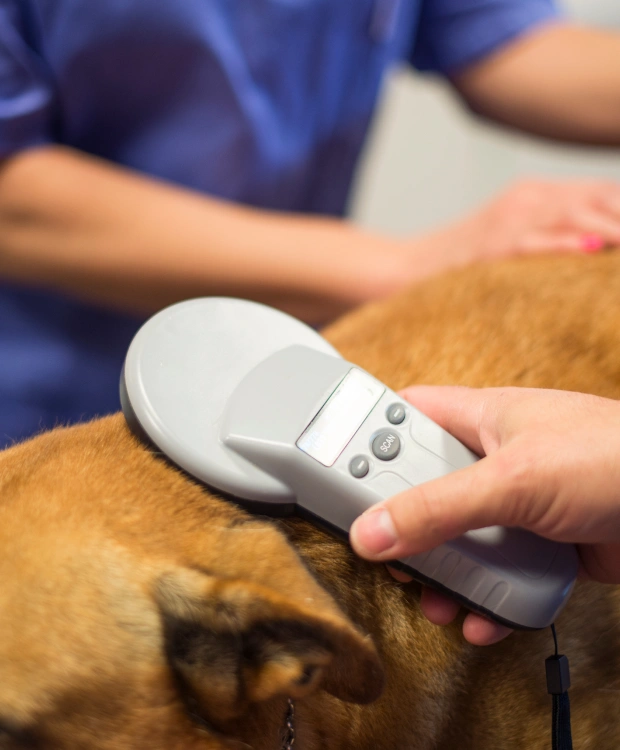
Veterinary clinics and shelters use scanners to read the chip when a lost dog is found. The process is fast and does not cause discomfort to your pet. The chip itself does not track location or require batteries, making it a dependable, long-lasting solution.
What Makes It Effective
- Permanent identification: The chip stays with your dog for life and does not wear out.
- Quick scanning process: Veterinary teams can read the chip in seconds during checkups or rescue situations.
- Secure database link: Your contact details are safely stored and accessible when needed.
- No maintenance required: Once placed, the chip works without charging or replacement.
What to Expect During the Procedure
Many pet owners feel unsure about the process, but it is simple and safe. A trained veterinarian inserts the microchip using a sterile needle, similar to a routine vaccination. Most dogs respond calmly, and the procedure takes only a few minutes.
After placement, your dog can return to normal activities without any downtime. The veterinarian may scan the chip to ensure it is working properly before you leave. Keeping your contact information up to date in the registry is an important step in the procedure.
Aftercare and Next Steps
- Check registration details: Make sure your contact information is accurate and up to date.
- Monitor the area: Mild soreness may occur, but it usually fades quickly without any issues.
- Schedule routine scans: Annual checkups can confirm that the chip is functioning properly.
- Keep records handy: Save your pet’s microchip number for easy reference when needed.
When is the Right Time to Microchip Your Dog
Microchipping for dogs can be done at almost any stage of your dog’s life. Puppies often receive their microchip during early vet visits, but adult dogs can benefit just as much. Timing depends on your pet’s health and the vet’s recommendation.
Dogs that spend time outdoors or travel frequently should be microchipped as soon as possible. Even indoor pets benefit from this extra layer of identification, as unexpected situations can happen at any time.
Ideal Times to Consider
- During puppy visits: Early placement ensures protection from the start.
- Before travel plans: New environments increase the chance of getting lost.
- After adoption: Newly adopted pets need proper identification quickly.
- During routine checkups: Combining the procedure with regular visits saves time and effort.
Microchipping and Pet Safety Go Hand in Hand
A microchip works best when combined with other safety measures. Collars, ID tags, and secure fencing all play a role in protecting your dog. Together, these steps create a stronger system that reduces the risk of permanently losing your pet.
Veterinarians often recommend keeping both visible and invisible forms of identification. Tags help people contact you quickly, while a microchip provides a reliable backup if tags are missing.
Building a Strong Safety Plan
- Use visible tags: Include your phone number for quick contact if someone finds your dog.
- Maintain secure spaces: Fences and gates should be checked regularly for gaps or damage.
- Train recall commands: Teaching your dog to return when called adds another layer of safety.
- Update microchip details: Changes in address or phone number should be updated promptly.
Clearing Common Misunderstandings
Some pet owners hesitate because of myths about microchips. Understanding the facts can help you make a confident decision for your pet.
Microchips do not track your dog’s location. They only store an identification number that connects to your information. The procedure is safe and widely used across veterinary clinics, shelters, and rescue groups.
Facts Worth Knowing
- No GPS tracking: Microchips are not tracking devices and do not monitor movement.
- Safe for all breeds: Dogs of all sizes can receive a microchip without issues.
- Minimal discomfort: The process feels similar to a standard injection.
- Long-lasting results: Once placed, the chip continues to work for your dog’s lifetime.
Why Choose a Trusted Veterinary Team
Choosing the right veterinary clinic ensures that your dog receives proper care during the procedure. Veterinarians understand how to place the chip correctly and guide you through the registration process.
A veterinary team also helps you stay informed about updates, maintenance, and routine checks. Regular visits allow your dog’s microchip to be scanned and verified, ensuring everything is working as expected.
What Sets Quality Care Apart
- Accurate placement: Proper insertion helps the chip stay in the right position.
- Guidance on registration: Clear instructions help you complete the process easily.
- Routine verification: Annual scans confirm the chip remains functional.
- Personalized advice: Recommendations are tailored to your dog’s lifestyle and needs.
Take the First Step Toward Bringing Them Home Safely
Losing your dog is deeply personal and overwhelming. A simple step like adding a microchip can completely change what happens next. We use safe and proven methods to place a chip that stays with your dog for life, giving them a voice even when they cannot find their way home. Many pet owners feel a real sense of relief knowing their dog has a permanent ID that cannot fall off, fade, or fail when it matters most.
Veterinarians continue to recommend microchipping because it works when other methods do not. Collars can break, and tags can go missing, but a microchip stays in place and helps shelters and clinics reconnect pets with their families faster. It is a small decision today that can protect years of memories tomorrow.
If your dog ever slips out, gets startled, or ends up far from home, a microchip becomes the one thing that helps bring them back to you. Contact Rawls Veterinary Hospital today to get started with dog microchipping in Daytona Beach and give your dog a stronger layer of protection that stays with them for life. Our team is ready to make the process simple, quick, and focused on your dog’s comfort while helping you feel confident in your decision.
Frequently Asked Questions
A microchip is designed to last for your dog’s entire life without needing replacement. It requires no power or maintenance, making it a dependable long-term identification method.
