
Your dog depends on you for comfort, safety, and lifelong health. Oral health deserves the same attention as nutrition, exercise, and preventive veterinary visits.
However, many pet parents feel uncertain about a first professional dental cleaning. You may wonder what happens during the appointment and whether your companion will feel comfortable.
Knowing what to expect can help you feel more prepared before your dog’s first cleaning.
Why Might Your Dog Need a Professional Dental Cleaning?
Plaque forms on teeth as bacteria combine with food particles and saliva. Without regular removal, plaque can harden into tartar.
Tartar can accumulate around the gumline and contribute to inflammation. Problems may also develop below the gums, where they remain difficult to see.
Professional cleaning helps remove this buildup and gives veterinarians an opportunity to assess oral health.
Your veterinarian may recommend dental care in the following circumstances:
- Persistent bad breath
- Red or swollen gums
- Visible yellow or brown tartar
- Bleeding around the gums
- Difficulty chewing food
- Dropping food while eating
- Excessive drooling
- Pawing at the mouth
- Reduced interest in hard treats
Some dogs continue eating despite significant oral discomfort. Therefore, routine veterinary examinations remain important even without obvious symptoms.
What Happens Before Your Dog’s First Dental Cleaning?
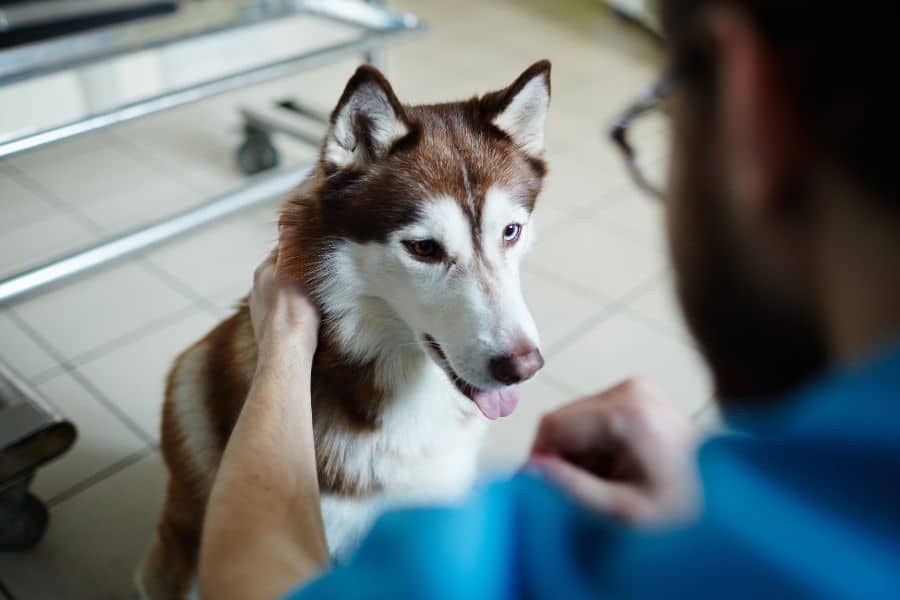
The appointment begins before the actual cleaning. The veterinary team reviews medical history and evaluates current health. This information helps determine the safest approach for the procedure.
Your veterinarian may discuss medications, previous illnesses, allergies, and other health concerns. Be prepared to provide accurate information about your dog’s health.
Pre-anesthetic testing may also be recommended based on your dog’s individual needs. Testing can help identify health concerns that could influence anesthesia planning.
You will also receive instructions about food, water, medications, and arrival time. Follow these directions carefully before the appointment. Never change prescribed medications unless your veterinarian provides specific instructions.
Why Is Anesthesia Used for Professional Dental Cleaning?
A thorough veterinary dental cleaning requires access around every tooth and beneath the gumline.
Dogs cannot safely remain completely still during these detailed procedures. Anesthesia allows the veterinary team to work carefully without causing unnecessary stress.
It also helps protect your companion from sudden movement during cleaning and examination.
Monitoring is an important part of veterinary anesthesia. The veterinary team observes your dog’s condition throughout the procedure.
Your dog’s individual health history helps guide anesthesia planning and monitoring decisions.
If anesthesia concerns you, discuss them before the procedure. Clear information can help you understand the safety measures planned for your companion.
What Happens During a Professional Dental Cleaning?
Our professional dental care for pets involves much more than making the visible tooth surfaces look cleaner. It covers the following:
A Thorough Oral Examination Is Performed
The veterinarian carefully examines the teeth, gums, and surrounding oral tissues.
This examination may reveal inflammation, infection, damaged teeth, or other problems requiring attention.
Plaque and Tartar Are Removed
The veterinary team uses dental instruments to remove accumulated plaque and hardened tartar. Cleaning includes areas above and below the gumline. Addressing buildup beneath the gums is important for maintaining periodontal health.
The Teeth Are Polished
After scaling, the teeth are polished. Polishing creates smoother tooth surfaces and helps reduce areas where new plaque can easily collect.
Dental X-Rays May Be Recommended
A tooth can appear normal above the gums while problems develop underneath. Dental X-rays may reveal root damage, bone loss, or other hidden concerns. The veterinarian determines whether imaging is appropriate based on the oral examination and your dog’s needs.
Additional Treatment May Be Needed
Sometimes cleaning reveals a tooth that is badly damaged or infected. Our vets provide tooth extractions when necessary. The practice also provides gum care and infection management when indicated. Your veterinary team will explain recommended treatment based on the findings.
What Happens After the Dental Cleaning?
After the procedure, your companion enters a monitored recovery period. The veterinary team watches your dog while the effects of anesthesia gradually wear off.
Some dogs may seem sleepy or quieter after returning home. Your veterinarian will explain what is expected based on the day’s treatment. Follow all feeding, medication, activity, and recovery instructions provided by the veterinary team.
If extractions or other treatments were performed, your dog may need additional recovery care. Contact the hospital if you notice unexpected symptoms or have concerns during recovery.
How Can You Maintain Cleaner Teeth After the Appointment?
A professional cleaning provides a fresh starting point. However, plaque can begin accumulating again after the procedure. Consistent home care can help maintain cleaner teeth between veterinary visits.
Your veterinarian may recommend:
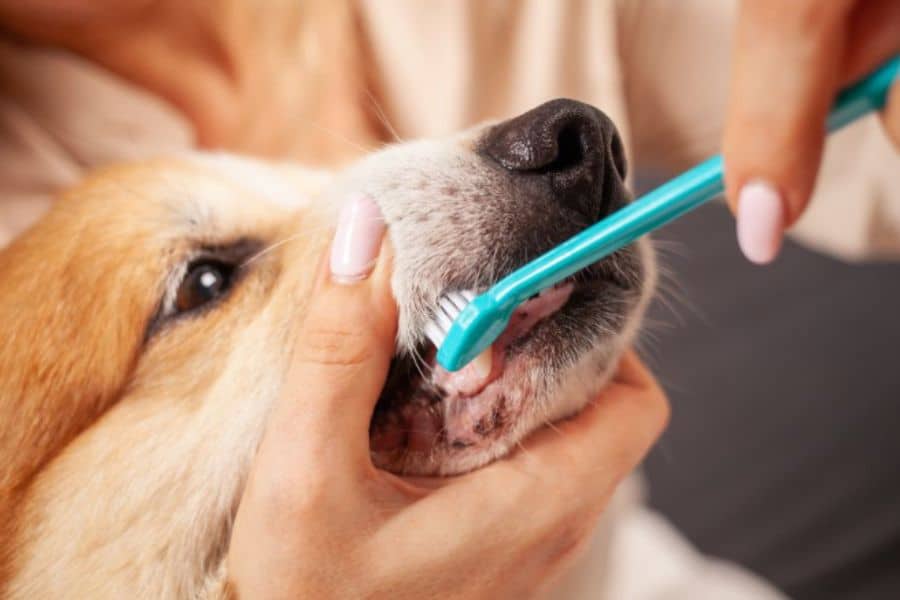
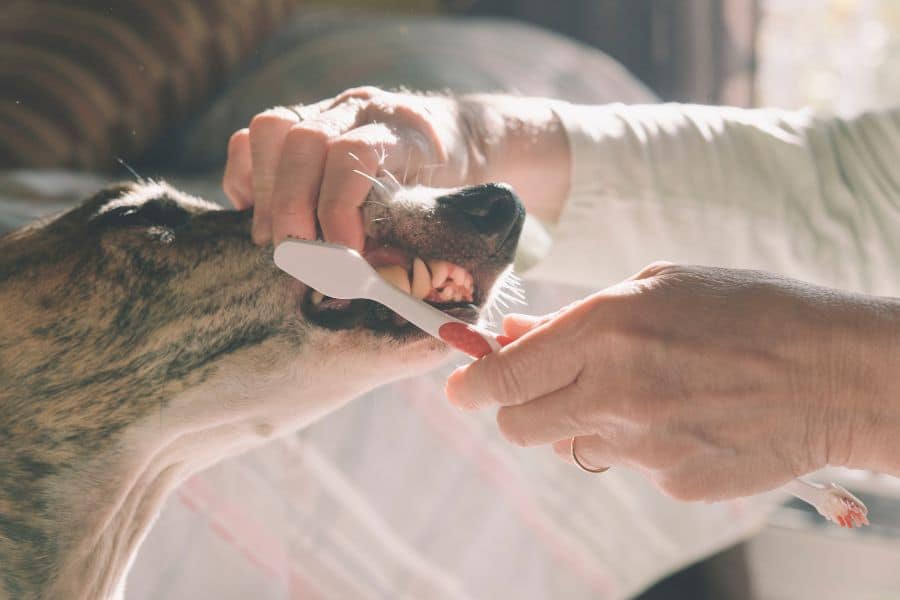
- Brushing with toothpaste formulated specifically for dogs
- Using an appropriate soft toothbrush
- Introducing brushing gradually
- Providing suitable dental chews when recommended
- Checking the gums and teeth regularly
- Watching for changes in breath or eating habits
- Scheduling dental examinations as advised
Never use human toothpaste unless your veterinarian specifically approves a product. Some human ingredients are unsuitable for pets.
We also provide home-care guidance based on each dog’s needs.
How Often Will Your Dog Need Professional Dental Cleanings?
There is no single cleaning schedule appropriate for every dog. Age, breed, oral condition, home care, and previous dental disease can influence cleaning frequency. Your veterinarian can recommend an appropriate schedule after examining your dog’s mouth.
Regular examinations are valuable because oral problems can progress without obvious signs at home. Early attention may also help prevent discomfort and more complicated dental treatment later.
Give Your Dog a Healthier Smile
Your dog’s first professional dental cleaning is an important step toward protecting lifelong comfort and oral health. At Rawls Veterinary Hospital, we know pets are treasured family members. Their care deserves careful attention, clear communication, and compassion at every visit.
Our team has served the local community for over 80 years. We remain committed to helping families understand and protect their companions’ health. We provide comprehensive pet dental care for families in Daytona Beach and surrounding communities. Our dental services address preventive needs and existing oral health concerns.
If your dog has bad breath, tartar, gum changes, or trouble chewing, schedule an examination. Contact us to discuss your dog’s dental needs and feel confident preparing for their first professional cleaning.
Frequently Asked Questions(FAQs):
1. How long does a professional dental cleaning for a dog take?
A: Procedure length varies according to your dog’s oral condition and required treatment. More extensive dental disease may require additional time.
2. Does my dog really need anesthesia for a dental cleaning?
A: Anesthesia allows thorough cleaning above and below the gumline while keeping your dog still. It also permits a detailed oral examination.
3. How should I prepare my dog for a dental cleaning?
A: Follow the veterinary team’s instructions regarding food, water, and medications. Tell them about existing conditions and medications before the appointment.
4. Will my dog be in pain after a dental cleaning?
A: Routine cleaning may cause temporary sensitivity. Dogs requiring extractions or additional treatment may need more recovery support and pain management.
5. Can professional dental cleaning fix my dog’s bad breath?
A: Cleaning can improve breath when plaque, tartar, or gum problems contribute to the odor. Persistent bad breath may indicate another problem.
6. Can I clean tartar from my dog’s teeth at home?
A: Home brushing helps control plaque but cannot safely replace professional removal of hardened tartar. Never scrape tartar using household instruments.
7. What should I feed my dog after a professional dental cleaning?
A: Follow your veterinarian’s feeding instructions after the procedure. Dietary recommendations may differ when extractions or other oral treatments were performed.