
A sudden dental problem can leave any pet parent unsure what to do. A broken tooth, bleeding gums, facial swelling, a loose tooth, or trouble eating can signal pain that deserves attention. This guide explains what to look for, what you can safely do at home, when professional help is needed, and how dental care can prevent repeat problems. Avoid human pain medicines, hard treats, and home dental procedures.
Keep your pet calm, protect the mouth from further injury, and contact a trusted care team when signs are concerning. For families in Daytona Beach, these steps can help you respond with confidence. Clear guidance helps you act quickly without guessing, especially when your pet is frightened, uncomfortable, or unable to show exactly what hurts.
Spot the Signs of a Sudden Dental Problem
Pets often hide discomfort. A change in normal behavior may be the first clue.
Watch for These Symptoms
Look for:
- Dropping food or chewing on one side
- Refusing meals or treats
- Pawing at the mouth
- Excessive drooling
- Blood around the gums or on toys
- Facial swelling
- Bad breath that appears suddenly
- A cracked, loose, or missing tooth
- Whining when the face is touched
- Trouble closing the mouth
A pet that suddenly stops eating may have mouth pain. A damaged tooth can expose sensitive tissue and become more painful with pressure.
What to Do Right Away
Keep your pet quiet. Remove chew toys, bones, antlers, and hard treats. Offer soft food if your pet wants to eat and can swallow comfortably. Provide fresh water. Do not force food or water into the mouth.
If you see bleeding, use clean gauze for gentle pressure only when your pet allows it safely. Do not place fingers deep inside the mouth. A frightened pet may bite.
Take a clear photo if possible. Note when the problem started and whether eating or drinking has changed.
Know When Your Pet Needs Urgent Care
Seek urgent care for pets when there is persistent bleeding, significant facial swelling, severe pain, difficulty breathing, inability to swallow, repeated vomiting, extreme weakness, or a major injury to the mouth or jaw.
A broken tooth deserves attention even when your pet appears comfortable. Visible damage may not show the full problem. A fracture can expose deeper structures and create a pathway for infection.
Do not wait for symptoms to become severe. A quick call can clarify whether your pet needs prompt care or can safely wait for an appointment.
What Not to Do at Home
Trying to fix a dental problem yourself can cause harm.
Never pull a loose tooth unless a professional specifically instructs you. Do not scrape tartar with household tools or apply alcohol, peroxide, essential oils, or other products to the gums.
Human pain relievers can be dangerous for pets. Never give medication from your medicine cabinet unless a professional has confirmed the product and dose for your pet.
Avoid hard objects that encourage chewing. A pet may damage another tooth while trying to relieve discomfort. Soft options are better until the mouth has been assessed.
What Happens During a Dental Visit?
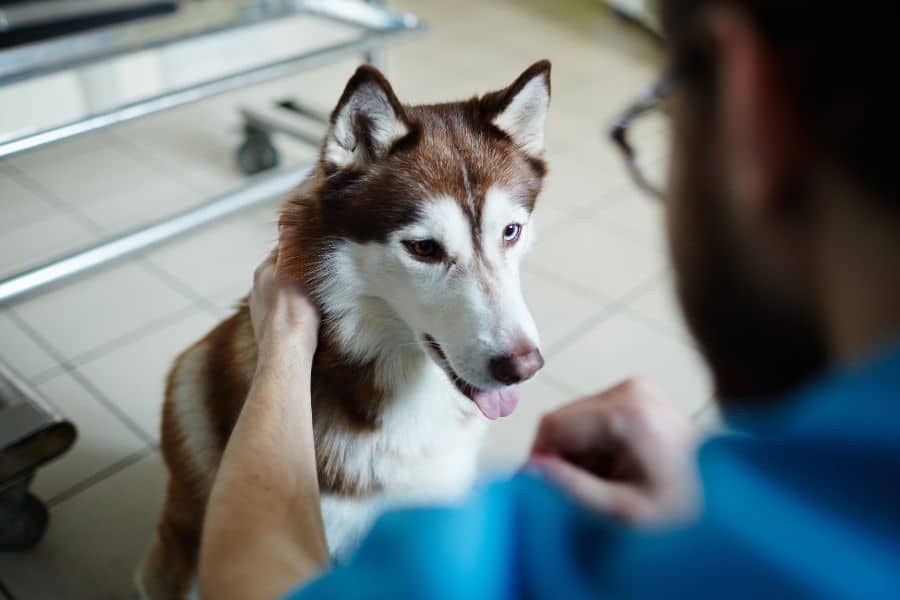
A professional will ask what happened and review your pet’s symptoms. Your pet may need dental imaging to assess areas below the gumline. Care depends on the problem and could involve pain control, cleaning, medication, repair, or removal of a damaged tooth.
The mouth may be examined carefully to identify broken teeth, gum irritation, swelling, wounds, or other changes.
Ask about every recommendation. Treatment decisions should be explained in clear language, including what was found, why treatment is recommended, what recovery may entail, and the expected costs.
Help Prevent Future Dental Problems
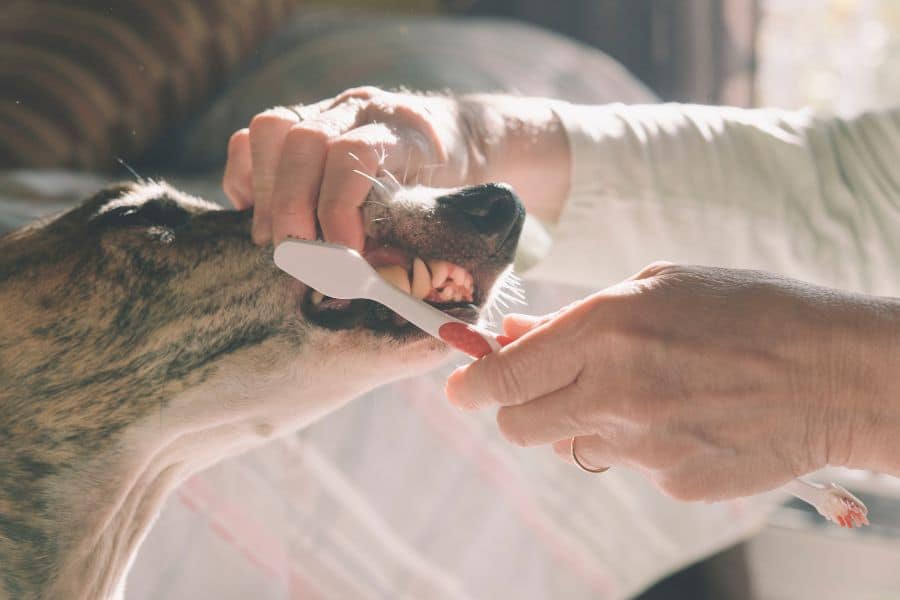
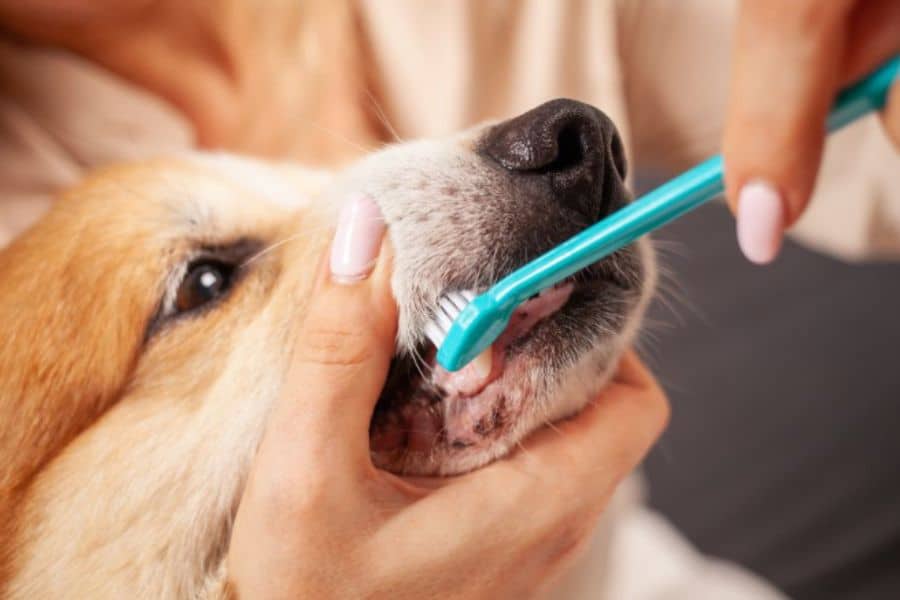
A dental issue can reveal a need for better daily mouth care. Regular brushing with pet-safe toothpaste can reduce plaque. Never use human toothpaste because some ingredients can be unsafe for pets.
Schedule dental checks as recommended. Watch for changes in breath, chewing habits, appetite, and gums.
Your pet’s previous dental history can influence future needs. Ask your care team which brushing routine, dental products, and checkup schedule fit your pet.
Conclusion: Act Early When Dental Pain Appears
A sudden dental problem can be stressful, but a calm response makes it easier to manage. Watch for changes, protect the mouth, avoid unsafe home treatments, and seek professional guidance when symptoms are significant. Early attention can improve comfort and prevent a small concern from becoming a larger problem.
If your pet needs urgent attention for a dental concern, call us at (386) 253-2525. If you’re located in Daytona Beach, reach out to Rawls Veterinary Hospital, where compassionate care and community come together for your pet’s well-being.
Frequently Asked Questions
1. What should I do if my pet breaks a tooth?
A: Keep your pet calm, remove hard chew items, offer soft food, and contact a professional promptly. A broken tooth can be painful even when your pet continues eating normally and may require treatment.
2. Can a pet tooth heal on its own?
A: A damaged tooth does not always heal without care. Minor surface wear may need monitoring, while fractures involving deeper tooth structures can cause pain or infection. A professional examination helps determine the safest option.
3. Should I give my pet pain medicine?
A: Do not give human pain medicine unless a professional specifically approves it. Some common medications can cause serious problems in pets. Call your pet care team for safe pain relief guidance based on your animal’s needs.
4. Is bleeding from my pet’s mouth serious?
A: Small amounts of bleeding can occur after minor mouth injuries, but persistent or heavy bleeding needs prompt attention. Keep your pet calm, avoid handling the wound, and contact a professional for instructions.
5. Why is my pet suddenly refusing food?
A: Sudden food refusal can result from mouth pain, a damaged tooth, gum irritation, or another health problem. If your pet refuses food, seems painful, or develops other symptoms, contact a professional promptly.
6. How can I prevent sudden dental problems?
A: Regular dental checks, gentle brushing with pet-safe toothpaste, suitable chew products, and attention to changes in eating or chewing can lower dental risks. Avoid extremely hard objects that can crack or damage teeth.