
Siberian Huskies are known for their striking blue or brown eyes, thick coats, athletic build, and playful personalities. They are also known for having plenty of energy. But if you share your home with a Husky, you may wonder: What affects a Husky’s lifespan the most?
A Siberian Husky typically has a life expectancy of about 12 to 14 years, according to the American Kennel Club (AKC). Some live longer, while others develop health problems earlier in life. A Husky’s lifespan is shaped by several factors, and many of them are connected to everyday care.
Genetics matter, but they are only part of the story. Your dog’s weight, diet, exercise routine, preventive care, environment, and the speed at which health problems are noticed can all affect how many healthy years your Husky enjoys.
Genetics Can Have a Major Impact on a Husky’s Lifespan
A Husky’s genes influence the health risks it may face throughout life. Some inherited conditions are more closely linked to the breed than others.
The Siberian Husky is generally considered a healthy and relatively long-lived breed. Still, the AKC lists eye disease, cancer, arthritis, hip problems, and certain neurologic conditions among health concerns that owners should understand.
Why Responsible Breeding Matters
When choosing a Husky puppy, the health history of the parents deserves attention. Responsible breeders use appropriate health screening to identify inherited risks before breeding dogs.
For Siberian Huskies, the national breed club recommends hip evaluation, an eye examination, and testing for Siberian Husky Shaking Puppy Syndrome Type 1 and Siberian Husky Polyneuropathy Type 1.
This does not guarantee that a puppy will never become sick. It does give owners useful information about potential inherited risks.
Genetics cannot be changed after you bring a dog home, but knowing your Husky’s family health history can help you make better decisions about ongoing care.
Maintaining a Healthy Weight Is One of the Biggest Factors
If you want to help your Husky live a longer, healthier life, pay close attention to body weight.
Huskies were developed to cover long distances while pulling loads efficiently. Their athletic bodies are built for endurance, not excess weight. The AKC notes that maintaining an appropriate weight supports a healthier, longer life.
Why Extra Weight Matters
Carrying unnecessary weight places additional stress on the joints. It can also make exercise harder and reduce a dog’s ability to stay active comfortably.
Overweight dogs may have a harder time managing heat, moving freely, and maintaining good muscle tone. As a Husky gets older, these problems can become even more noticeable.
Instead of judging your dog’s weight by the number on a scale alone, look at overall body condition. You should be able to feel the ribs without pressing through a thick layer of fat, while the waist should remain visible when viewed from above.
If you are unsure whether your Husky is at a healthy weight, ask a professional to assess body condition and recommend an appropriate feeding plan.
Nutrition Supports Long-Term Health
What your Husky eats every day matters. A complete and balanced diet provides the nutrients needed to support muscles, bones, skin, organs, and overall health.
Huskies can be surprisingly efficient eaters because of their working-dog background. That does not mean they should be fed unlimited food. Portions should match the dog’s age, size, activity level, and individual needs.
Puppies, Adults, and Seniors Have Different Needs
A growing Husky puppy needs nutrition that supports development. An active adult may need enough calories and protein to maintain muscle and energy. A senior dog may require adjustments based on activity level and changes in body condition.
Treats count, too. A few snacks here and there can add up quickly, especially when a dog receives treats from several family members.
Fresh water should always be available. Changes in appetite or thirst should also be taken seriously, particularly when they persist or appear alongside weight loss, vomiting, diarrhea, weakness, or changes in behavior.
Exercise Keeps a Husky’s Body and Mind Healthy
A Husky that spends most of the day lying around is not getting what its body was designed to do.
The breed was developed for endurance and is naturally energetic. Regular exercise helps support muscle strength, joint function, cardiovascular health, and a healthy body weight. It also provides mental stimulation.
How Much Exercise Does a Husky Need?
There is no single number of minutes that works for every Husky. Age, health, fitness level, weather, and individual temperament all matter.
Daily walks, structured play, running in a secure area, hiking, training games, and activities that involve problem-solving can help keep a Husky engaged.
Because Huskies have a strong instinct to run, they should not be allowed to roam freely in unsecured areas. A secure fence and reliable leash habits are important for safety.
Exercise should also be adjusted when a Husky shows signs of pain, fatigue, breathing difficulty, or overheating.
Temperature and Weather Can Affect Husky Health
That thick double coat makes Huskies well suited to cold weather, but it does not make them immune to heat.
This is especially important for families living in warmer parts of the United States. A Husky can become dangerously overheated during strenuous activity or prolonged outdoor exposure in hot weather.
Exercise should be scheduled during cooler parts of the day when temperatures are high. Provide shade, fresh water, and a comfortable indoor space.
Never assume that a Husky’s cold-weather heritage means it can safely handle extreme heat.
The coat should not be shaved simply to keep the dog cool. The double coat provides insulation and protection, and regular brushing helps remove loose undercoat.
Preventive Care Helps Catch Problems Early
Regular health checks can help identify problems before they become harder to manage.
A Husky may appear perfectly normal while an underlying issue is developing. Dogs also tend to hide signs of discomfort, so changes can be easy to miss.
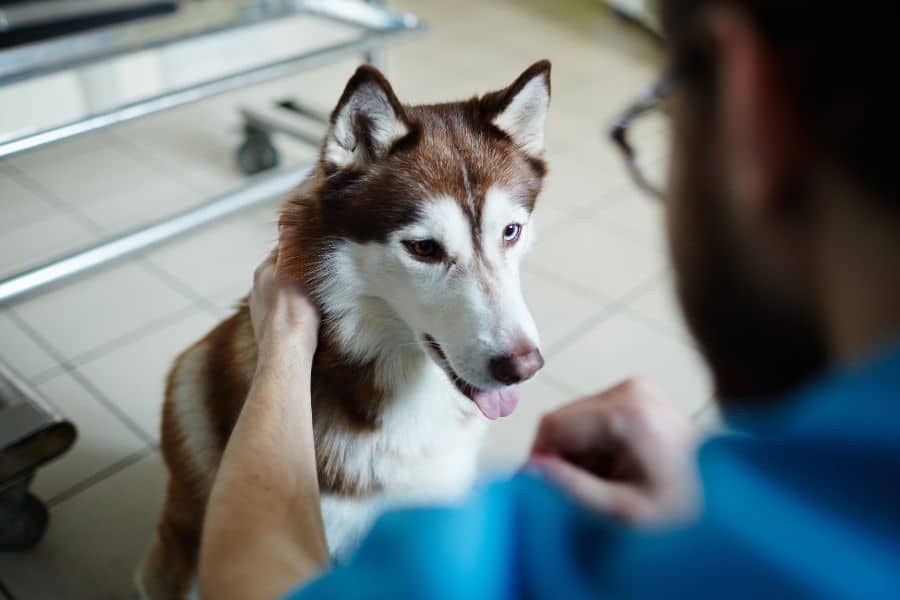
Preventive care may include routine physical examinations, vaccinations, parasite prevention, dental care, weight monitoring, and age-appropriate screening.
Pay Attention to Small Changes
A change in appetite may seem minor. So might sleeping more, drinking more water, slowing down on walks, or becoming less interested in play.
These changes are worth noticing.
You know your Husky’s normal behavior better than anyone. Keeping track of changes can help you recognize when something is different and seek advice before a problem becomes severe.
Dental Health Should Not Be Overlooked
Oral health is another part of your dog’s overall well-being.
Plaque and tartar can build up on the teeth and contribute to gum problems. Bad breath is not simply something that comes with being a dog. Persistent bad breath, red or swollen gums, difficulty chewing, dropping food, or changes in eating habits deserve attention.
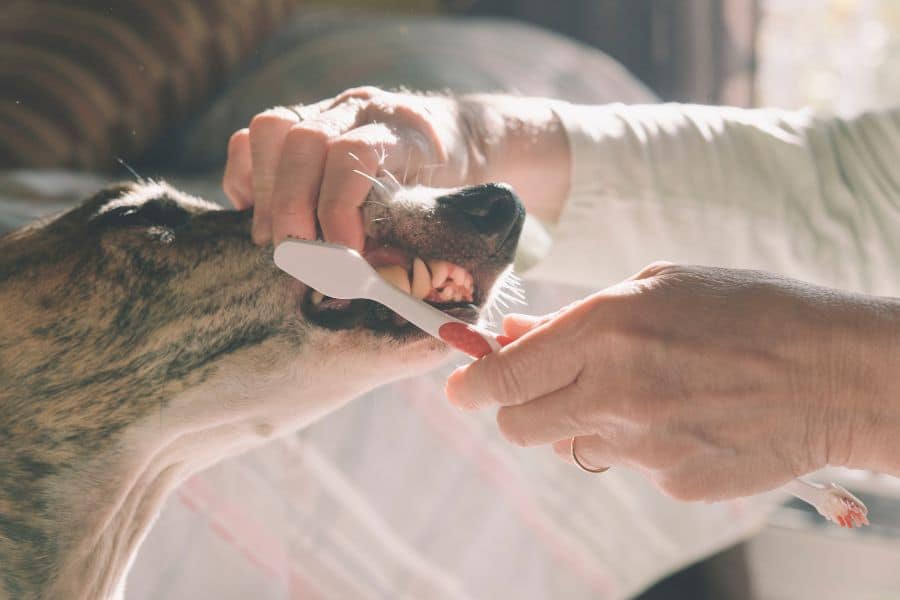
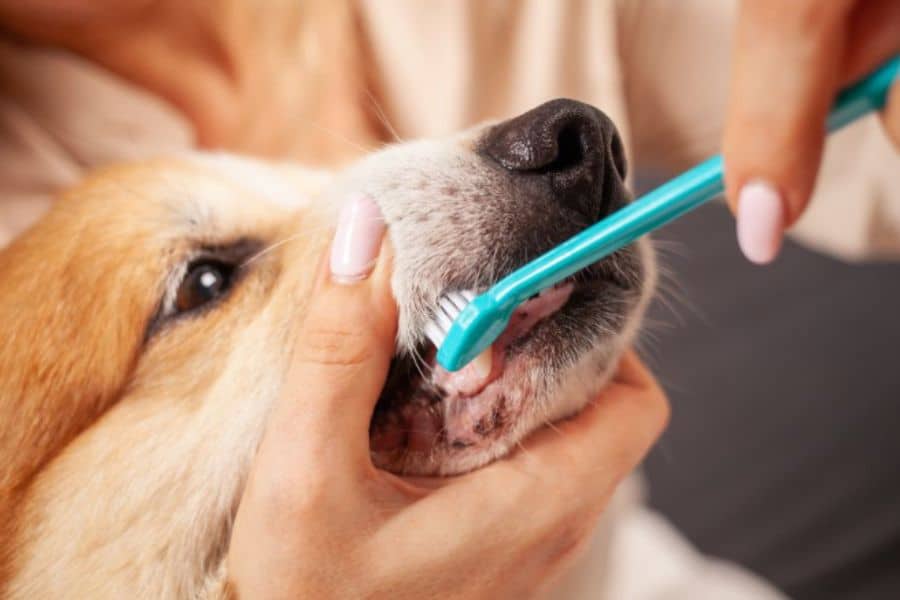
Regular tooth brushing with products made for dogs can help support dental health. Professional dental cleanings may also be recommended when buildup or disease is present.
Good dental care is not just about keeping the teeth clean. It is part of maintaining your dog’s overall health and comfort.
Common Health Problems Can Influence Lifespan
Siberian Huskies are generally healthy, but they are not free from disease.
Eye conditions are among the breed-related concerns that deserve attention. The AKC also identifies cancer and arthritis as health issues that can occur in the breed.
Some inherited neurologic diseases are also recognized in Siberian Huskies. Shaking Puppy Syndrome Type 1 and Siberian Husky Polyneuropathy Type 1 have identified genetic causes, and testing is available for these conditions.
This is one reason health history and appropriate screening can be valuable when selecting a puppy.
For adult and senior Huskies, routine monitoring becomes increasingly important because health risks can change with age.
Safety and Lifestyle Matter More Than Many Owners Realize
A long Husky lifespan is not only about disease prevention.
This breed’s intelligence, curiosity, and strong desire to run can create safety risks. Huskies are well known for escaping yards, digging, and running when given the opportunity.
A secure home environment can help prevent injuries caused by traffic, falls, fights, or getting lost.
Microchipping, identification tags, secure fencing, leash use, and supervision in unfamiliar areas are simple precautions that can make a major difference.
Mental stimulation matters, too. Training, puzzle toys, scent games, and interactive activities can give a Husky an appropriate outlet for its energy and curiosity.
Senior Husky Care Can Make the Later Years Better
Aging is a natural part of life, but senior Huskies still need an active role in the family.
You may notice that an older Husky sleeps more, takes longer to get up, or cannot exercise for as long as before. These changes should not automatically be dismissed as “just old age.”
Joint discomfort, dental disease, vision changes, metabolic problems, and other age-related conditions can affect quality of life. Early attention can help identify what is happening and determine what support is appropriate.
Exercise may need to become shorter and gentler, but complete inactivity is rarely helpful unless a health professional recommends rest.
A comfortable bed, easy access to food and water, safe flooring, and a predictable routine can also make daily life easier for an aging dog.
So, What Affects a Husky’s Lifespan the Most?
There is no single factor that determines exactly how long a Husky will live.
Genetics establish part of the foundation, but everyday care plays a major role in protecting that foundation. Maintaining a healthy weight, providing balanced nutrition, giving appropriate exercise, preventing avoidable injuries, monitoring dental health, keeping up with preventive care, and responding quickly to changes can all contribute to a longer and healthier life.
The goal should not be to chase a specific number of years. A better goal is to give your Husky as many healthy, comfortable, active years as possible.
A Husky that stays lean, gets regular physical and mental activity, receives appropriate preventive care, and lives in a safe environment has a stronger foundation for healthy aging.
Conclusion
Understanding what affects a Husky’s lifespan helps owners focus on the things they can actually control. You cannot change your dog’s genetics or guarantee a certain number of years, but you can influence daily habits that support health and quality of life.
Keep your Husky at a healthy weight. Feed thoughtfully. Provide regular exercise without pushing beyond safe limits. Protect against heat and prevent escape-related accidents. Pay attention to dental health and routine checkups. Most importantly, learn what is normal for your individual dog so that changes are easier to recognize.
A long life is valuable, but a long life filled with comfort, movement, companionship, and good health is the real goal.
Frequently Asked Questions(FAQs):
1. What is the average lifespan of a Siberian Husky?
A: The average Siberian Husky lifespan is about 12 to 14 years. Individual dogs may live shorter or longer lives depending on genetics, health, nutrition, weight, lifestyle, and other factors.
2. What is the biggest factor affecting a Husky’s lifespan?
A: There is no single biggest factor for every dog. Genetics, healthy body weight, nutrition, exercise, preventive care, and early attention to health problems all influence longevity.
3. Can exercise help a Husky live longer?
A: Regular, appropriate exercise supports healthy weight, muscle strength, mobility, and mental well-being. The amount and intensity should match the dog’s age, fitness, health, and weather conditions.
4. Are Siberian Huskies prone to certain health problems?
A: Siberian Huskies can develop conditions involving the eyes, joints, nervous system, and other parts of the body. The breed is generally considered healthy, but regular health monitoring remains important.
5. How can I help my Husky live a longer, healthier life?
A: Feed an appropriate diet, maintain a healthy weight, provide regular exercise and mental stimulation, keep up with preventive care, protect your dog from extreme heat and unsafe environments, and pay attention to changes in behavior, appetite, movement, or energy.