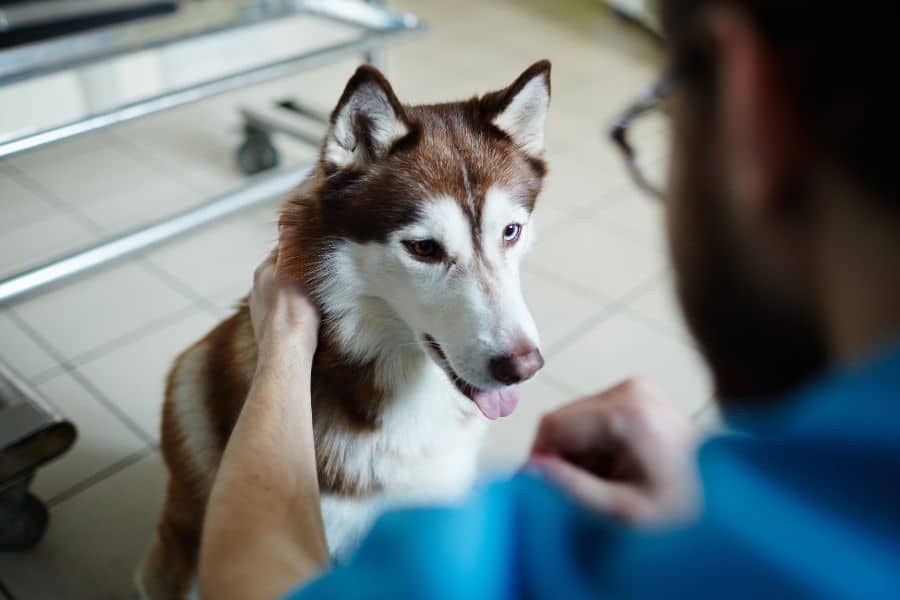


A dog skipping one meal can be harmless, but a lasting loss of appetite may signal pain, stomach trouble, infection, medication effects, stress, or another health concern. This guide explains when home monitoring is reasonable, what warning signs deserve prompt attention, how to support eating safely, and when an urgent care visit makes sense for your dog in Daytona Beach.
When Is Loss of Appetite Concerning?
Dogs can occasionally eat less after a busy day, a change in routine, a stressful event, or a new food. A healthy dog who misses a single meal, remains bright, drinks normally, has normal bathroom habits, and shows no other concerning signs can often be watched closely at home.
The situation deserves more attention when appetite loss continues, returns repeatedly, or appears with changes in behavior. A dog who refuses food and seems painful, unusually tired, nauseated, weak, or uncomfortable needs closer evaluation.
Watch the Whole Picture
Appetite alone does not tell the full story. Check your dog’s water intake, energy, breathing, bowel movements, urination, gums, and general behavior. Note when the appetite change began and whether your dog may have eaten something unusual.
Keep a simple record of meals, water, vomiting, diarrhea, medications, and behavior.
When Home Monitoring May Be Reasonable
Home watch can be appropriate for a short period when your dog misses a meal but otherwise acts normally. Offer fresh water and keep the environment quiet. You can offer the usual food again later rather than repeatedly changing foods or giving rich treats.
Avoid forcing food into your dog’s mouth. Do not give human medicines unless a qualified professional specifically recommends them.
Monitor closely for worsening signs.
A checklist can prevent guesswork: note the last normal meal, recent foods, possible exposures, medications, water intake, and every new symptom before contacting the care team for clearer care guidance.
If your dog begins vomiting repeatedly, develops significant diarrhea, appears painful, becomes weak, has trouble breathing, cannot keep water down, or shows unusual behavior, contact a professional promptly.
When an Urgent Care Visit Makes Sense
An urgent care visit is appropriate when appetite loss comes with symptoms that need timely assessment but do not necessarily require hospital-level support. Persistent refusal to eat, repeated vomiting, diarrhea, abdominal discomfort, weakness, dehydration, or sudden behavior changes can justify prompt attention.
Puppies, older dogs, and dogs with ongoing health concerns may need earlier assessment because they can become unwell faster. A dog that has eaten a potentially harmful object or substance should receive prompt professional guidance rather than home observation.
Signs That Should Not Wait
Seek prompt care when your dog has severe or worsening pain, repeated vomiting, blood in vomit or stool, marked weakness, collapse, difficulty breathing, a swollen abdomen, pale gums, inability to drink, or signs of serious dehydration.
What Can Cause a Dog to Stop Eating?
Loss of appetite can have many causes. Dental discomfort may make chewing unpleasant. Nausea can reduce interest in food. Stress, travel, environmental changes, spoiled food, infections, medication side effects, and digestive irritation can affect appetite.
More serious problems can involve the liver, kidneys, pancreas, intestines, or other body systems.
How to Encourage Eating Safely
Keep meals familiar and portions modest. Warm the regular food slightly to increase its aroma. Make sure the bowl is clean and placed in a calm location. Fresh water should remain available.
Do not rely on fatty table scraps, repeated treats, or frequent food changes to make a dog eat.
For guidance about urgent care for pets, contact the care team when appetite loss is paired with concerning symptoms or continues longer than expected.
Conclusion
Loss of appetite in dogs is a symptom, not a diagnosis. A brief change in eating may be suitable for careful home watch when your dog otherwise seems normal. Persistent refusal, worsening behavior, pain, dehydration, vomiting, or other warning signs call for timely professional attention.
Write down what you observe, avoid risky home treatments, and trust changes that feel unusual for your dog. Call us at 386-253-2525 for urgent care service and guidance when your pet needs timely attention.
If you’re located in Daytona Beach, reach out to Rawls Veterinary Hospital – where compassionate care and community come together for your pet’s well-being. Knowing what to watch and when to act can help you make a calm, informed decision when your dog suddenly stops eating.
Frequently Asked Questions(FAQs):
1. How long can a dog go without eating?
A: A healthy adult dog that skips one meal may be monitored if behavior and hydration remain normal. Continued refusal to eat, especially with vomiting, weakness, pain, or other symptoms, deserves prompt professional assessment.
2. Should I worry if my dog skips one meal?
A: One missed meal is not always concerning. Watch appetite, water intake, energy, bathroom habits, and behavior. Contact a professional if your dog refuses later meals or develops additional symptoms.
3. What can I feed a dog that will not eat?
A: Offer the regular diet in a quiet setting and keep portions small. Slightly warming food may improve its smell. Avoid forcing food or offering rich human foods, which can worsen digestive upset.
4. Can stress cause a dog to lose appetite?
A: Yes. Changes in routine, travel, unfamiliar surroundings, loud events, boarding, or household changes can reduce appetite. Stress-related appetite changes should improve as the dog settles. Persistent refusal or physical symptoms warrant professional guidance.
5. When should I take my dog to urgent care?
A: Seek prompt assessment when appetite loss occurs with repeated vomiting, significant diarrhea, pain, weakness, dehydration, breathing difficulty, a swollen abdomen, blood, collapse, or a sudden major behavior change.
6. Is loss of appetite in dogs always serious?
A: No. Temporary appetite changes can occur for minor reasons, including stress or mild stomach upset. The concern rises when appetite loss persists, repeatedly returns, or occurs with other signs of illness or discomfort.