
Intervertebral Disc Disease (IVDD) is one of the most common spinal conditions affecting dogs. It occurs when the discs between the vertebrae become damaged and place pressure on the spinal cord, leading to pain, weakness, mobility issues, and, in severe cases, paralysis.
Early recognition of IVDD symptoms can make a significant difference in treatment success and recovery. This guide explains the causes of IVDD in dogs, common warning signs, available treatment options, recovery expectations, and ways to reduce future risks. Understanding the condition helps pet owners make informed decisions and seek timely care when their dog shows signs of discomfort or neurological problems.
What Is IVDD in Dogs?
Intervertebral Disc Disease is a condition that affects the cushioning discs located between the bones of the spine. These discs act as shock absorbers and help the spine move comfortably. When a disc degenerates, bulges, or ruptures, it can compress the spinal cord and nearby nerves.
The severity of IVDD varies. Some dogs experience mild back pain, while others may lose the ability to walk. Prompt diagnosis and treatment are important because spinal cord damage can worsen if left untreated.
What Causes IVDD in Dogs?
IVDD develops when spinal discs lose their flexibility and strength over time. Certain factors increase a dog’s risk of developing the condition.
1. Breed Predisposition
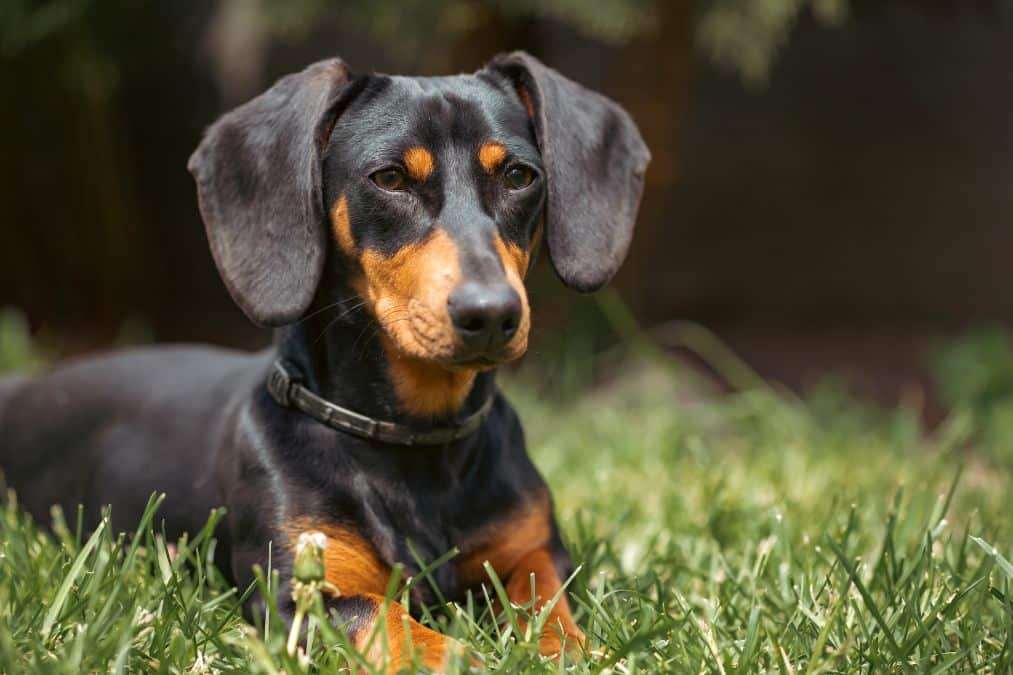
Some breeds are genetically prone to disc degeneration, including:
- Dachshunds
- French Bulldogs
- Beagles
- Corgis
- Pekingese
- Shih Tzus
- Basset Hounds
These breeds often develop IVDD at a younger age compared to others.
2. Age-Related Changes
As dogs age, spinal discs naturally become less flexible. Degeneration can increase the likelihood of a disc herniation or rupture.
3. Excess Weight
Obesity places additional stress on the spine and joints. Maintaining a healthy body condition can help reduce strain on the back.
4. Injury or Trauma
Jumping from furniture, rough play, falls, or accidents may contribute to disc damage in susceptible dogs.
5. Repetitive Strain
Frequent high-impact activities can increase wear on spinal discs over time.
Signs and Symptoms of IVDD in Dogs
Recognizing early IVDD symptoms is critical. Some signs are subtle at first and may become more severe as spinal cord compression progresses.
1. Early Signs
- Reluctance to jump or climb stairs
- Neck or back pain
- Muscle tension
- Reduced activity levels
- Sensitivity when touched
- Difficulty standing after rest
2. Moderate Symptoms
- Weakness in one or more limbs
- Unsteady walking
- Dragging paws
- Difficulty maintaining balance
- Changes in posture
3. Severe Symptoms
- Loss of coordination
- Inability to stand or walk
- Paralysis
- Loss of bladder control
- Loss of bowel control
Any sudden mobility issue should be evaluated immediately, especially if a dog cannot walk or appears to be in significant pain.
How Is IVDD Diagnosed?
Diagnosis begins with a thorough physical and neurological examination. The goal is to identify the location and severity of spinal cord compression.
Diagnostic tools may include:
- Digital X-rays
- Advanced imaging, such as MRI or CT scans
- Neurological assessments
- Blood testing to evaluate overall health
Advanced imaging provides the most detailed view of the spinal cord and affected discs, helping determine the most appropriate treatment plan.
Treatment Options for IVDD in Dogs
Treatment depends on the severity of symptoms, the location of the affected disc, and the dog’s overall health.
1. Conservative Management
Dogs with mild to moderate IVDD may respond well to non-surgical treatment.
Conservative care often includes:
- Strict crate rest
- Anti-inflammatory medications
- Pain management
- Muscle relaxants
- Controlled rehabilitation exercises
Activity restriction is essential because excessive movement can worsen spinal cord compression.
2. Surgical Treatment
Surgery is often recommended for dogs experiencing severe neurological deficits, recurrent episodes, or paralysis.
The goal of surgery is to remove disc material pressing on the spinal cord. Early surgical intervention can improve the chances of regaining mobility in many cases.
3. Rehabilitation Therapy
Physical rehabilitation plays an important role during recovery.
Rehabilitation may include:
- Therapeutic exercises
- Underwater treadmill therapy
- Range-of-motion exercises
- Strength-building activities
- Mobility support techniques
Many dogs benefit from structured rehabilitation programs after surgery or conservative treatment.
Recovery and Long-Term Outlook
Recovery varies depending on the severity of spinal cord damage and how quickly treatment begins.
Dogs with mild IVDD often recover within several weeks when activity restrictions are followed carefully. Dogs requiring surgery may need months of rehabilitation before reaching maximum improvement.
Many dogs return to a comfortable and active lifestyle after treatment. Some may experience recurring episodes and require ongoing management.
Regular evaluations and routine pet wellness care can help monitor overall health and identify mobility concerns before they become more serious.
Can IVDD Be Prevented?
Not all cases of IVDD can be prevented, particularly in genetically predisposed breeds. Several lifestyle adjustments can help reduce the risk of spinal injury and disease progression.
1. Maintain a Healthy Weight
Keeping your dog lean reduces pressure on the spine and joints.
2. Limit High-Impact Activities
Avoid repeated jumping from beds, couches, and vehicles. Pet ramps and stairs can provide safer access to elevated surfaces.
3. Encourage Safe Exercise
Regular low-impact activity helps maintain muscle strength and spinal support.
4. Use Proper Support
Lift small dogs carefully by supporting both the chest and hindquarters.
5. Schedule Regular Checkups
Routine examinations can help identify early signs of discomfort, mobility changes, and weight gain.
When Should You Seek Professional Care?
Contact your veterinarian if your dog shows signs of back pain, weakness, difficulty walking, or reluctance to move. Immediate evaluation is especially important if paralysis develops or if your dog loses bladder or bowel control.
Early intervention often leads to better outcomes and can prevent permanent spinal cord damage. Delaying treatment may reduce recovery potential and increase the risk of long-term complications.
Frequently Asked Questions(FAQs):
1. What is the first sign of IVDD in dogs?
A: The earliest sign is often back or neck pain. Dogs may hesitate to jump, cry when moving, appear stiff, or become less active. These subtle changes should not be ignored, especially in breeds prone to spinal problems.
2. Can a dog recover from IVDD without surgery?
A: Many dogs with mild to moderate IVDD recover successfully through crate rest, medications, and rehabilitation. Recovery depends on symptom severity, the degree of spinal cord compression, and adherence to treatment recommendations.
3. How long does IVDD recovery take in dogs?
A: Recovery timelines vary. Mild cases may improve within four to eight weeks. Surgical cases often require several months of rehabilitation and monitoring before reaching their maximum level of improvement.
4. Which dog breeds are most likely to develop IVDD?
A: Dachshunds, French Bulldogs, Corgis, Beagles, Shih Tzus, and Basset Hounds have a higher risk. These breeds are genetically predisposed to disc degeneration and spinal problems.
5. Is IVDD painful for dogs?
A: Yes. IVDD can cause significant pain due to inflammation and pressure on the spinal cord and nerves. Early treatment helps reduce discomfort and limits further damage to affected tissues.
6. Can IVDD come back after treatment?
A: Yes. Some dogs experience recurring episodes, particularly if they have multiple degenerating discs. Weight management, safe activity levels, regular monitoring, and following long-term recommendations can help reduce recurrence risks.
Related Articles