

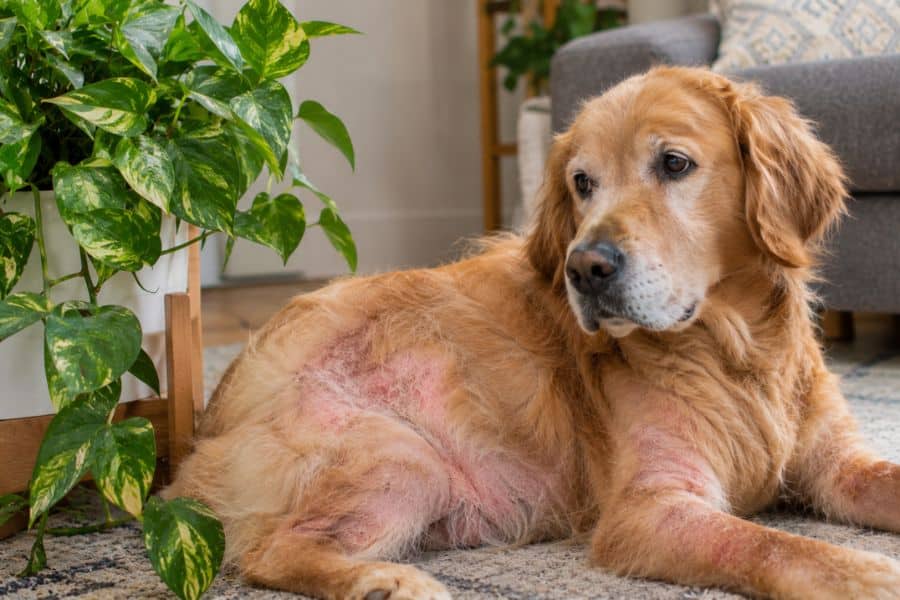
Cytopoint usually relieves allergic itching in dogs for four to eight weeks, though duration varies. Some dogs need another injection near week four; others remain comfortable longer. This guide covers onset, factors affecting duration, signs relief is fading, and when to call your veterinarian. Cytopoint controls allergy-related itch but does not cure allergies or treat every cause of scratching.
How Long Does Cytopoint Last in Dogs?
A Cytopoint injection typically provides four to eight weeks of relief from allergic itching. The manufacturer recommends repeat treatment every four to eight weeks as needed for the individual dog. Your pet’s response, allergy triggers, skin condition, and time of year can influence the interval.
Cytopoint is a targeted injection that helps neutralize a protein involved in sending itch signals. It is used for allergic dermatitis and atopic dermatitis. It is not a general pain reliever, flea treatment, or cure for the underlying allergy.
When Does Cytopoint Start Working?
Many dogs begin to feel relief within 24 hours. Improvement may continue over the following days as the urge to scratch settles. A dog with severe irritation, infection, or another skin problem may not improve as expected, even when the injection is working on allergic itch.
Track scratching, licking, chewing, sleep, and skin redness after the appointment. Contact your clinic if there is little improvement, symptoms worsen, or your dog develops sores. Do not assume that every itchy dog needs a higher dose or an earlier injection.
What Affects How Long Cytopoint Works?
Several factors can affect how long your dog stays comfortable.
- Allergy triggers: Pollen, dust mites, and other allergens may remain in the environment. Ongoing exposure can cause symptoms to return.
- Seasonal patterns: Dogs with seasonal allergies may need injections more often during high-trigger months.
- Skin health: Fleas, bacterial or yeast infections, and damaged skin can add itching that Cytopoint alone may not resolve.
- Individual response: Some dogs get close to eight weeks of relief; others need a shorter interval.
- Treatment plan: Your veterinarian may adjust timing based on a symptom diary, examination, and response to earlier injections.
Signs Your Dog May Need Another Injection
A return of familiar allergy signs can suggest the effect is wearing off. Watch for renewed paw licking, face rubbing, scratching, chewing at the legs, red skin, restless sleep, or repeated ear irritation. Record when these signs begin and whether they are mild or disruptive.
Do not schedule repeat Cytopoint automatically without following your clinic’s plan. Your veterinarian can advise whether another injection is appropriate or whether a different problem needs attention. Sudden, intense itching, open wounds, swelling, or a painful ear should be assessed rather than simply waiting for the next dose.
How to Help Your Dog Between Injections
These habits can help monitor symptoms and support skin health.
- Keep flea prevention current as advised by your veterinarian.
- Wash bedding regularly and clean areas where your dog rests.
- Wipe paws after outdoor walks if pollen or grass seems to trigger itching.
- Use only pet-safe shampoos or skin products recommended for your dog.
- Note food changes, outdoor exposure, licking, and flare-up dates in a simple diary.
- Attend follow-up visits, especially if itching returns earlier after each injection.
These steps do not replace treatment. They help your veterinarian spot patterns and decide whether your dog needs infection care, parasite control, or a broader allergy plan.
Is Cytopoint Safe for Dogs?
Cytopoint is generally well tolerated, but no treatment suits every pet. Report vomiting, diarrhea, facial swelling, hives, marked tiredness, or worsening skin symptoms after an injection. Seek urgent care for breathing difficulty or collapse.
Tell your veterinarian about your dog’s health history, medications, and supplements. Ask before changing the schedule or combining treatments. If Cytopoint seems less effective, reassess the diagnosis or skin health rather than simply repeating it sooner.
Conclusion: Plan Around Your Dog’s Response
Cytopoint usually lasts four to eight weeks, with timing based on your dog’s response. Track symptoms, follow the recommended schedule, and arrange a review if itching returns early or does not improve. Persistent scratching needs attention because infections and other conditions can resemble allergies.
If you’re in Daytona Beach, contact Rawls Veterinary Hospital for guidance tailored to your dog’s skin and allergy needs. Their team can help you understand treatment options and plan appropriate follow-up, with your pet’s comfort and well-being at the center of care. Bring your notes to each appointment.
Frequently Asked Questions(FAQs):
1. Can Cytopoint last longer than eight weeks?
A: Some dogs may remain comfortable beyond eight weeks, but the usual recommended interval is four to eight weeks as needed. Follow your veterinarian’s plan instead of extending or changing the schedule on your own.
2. Can Cytopoint wear off after two or three weeks?
A: Yes, some dogs show signs of itching again before four weeks. Allergy exposure, infection, fleas, or an individual response may contribute. Contact your veterinarian to review symptoms and decide whether reassessment or another treatment is needed.
3. How quickly does Cytopoint work in dogs?
A: Cytopoint can begin relieving allergic itch within about 24 hours. Improvement may continue over several days. If your dog keeps scratching intensely or develops sores, contact your clinic because other skin conditions may need treatment.
4. Is Cytopoint given every month?
A: Some dogs receive Cytopoint about every four weeks, while others can go longer between injections. The recommended interval is generally four to eight weeks, depending on how your dog responds and your veterinarian’s assessment.
5. Does Cytopoint cure dog allergies permanently?
A: No. Cytopoint helps control itch linked to allergic dermatitis, but it does not remove the allergy itself. Symptoms can return when its effect fades or when triggers persist, so ongoing management may be needed.
6. What if Cytopoint does not help my dog?
A: If your dog has little improvement, worsening itch, ear trouble, or irritated skin, arrange a veterinary review. Fleas, infection, food reactions, or another condition may be contributing, and your dog may need a different or combined care plan.