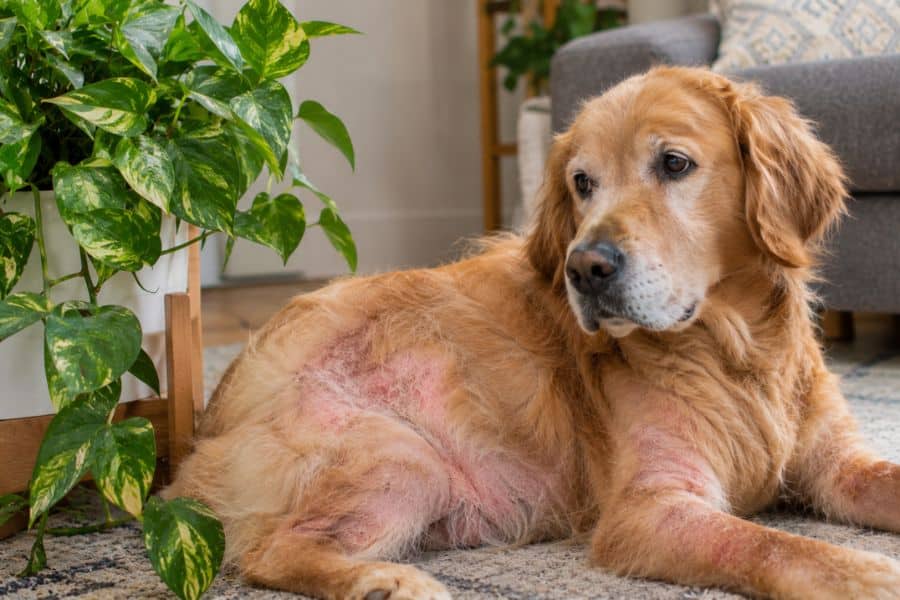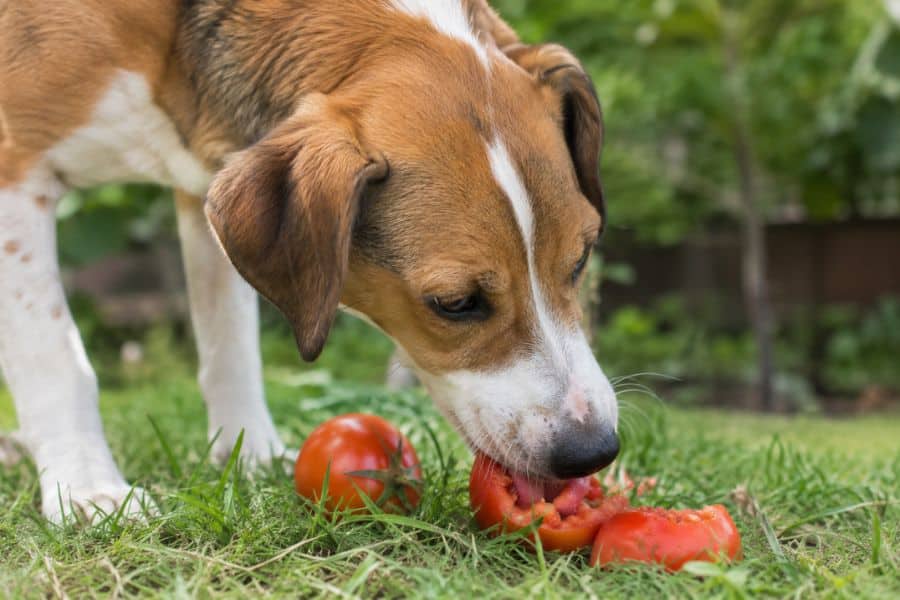


If your dog starts scratching nonstop after a bee sting or develops a sudden allergic reaction, your first thought might be, “Can I give my dog Benadryl?” It is a common question among pet owners, and the answer is often yes—but only when it is given correctly and for the right reason.
While Benadryl for Dogs is commonly used to help manage allergies, insect bites, and mild reactions, it is not a medication that should be given without understanding the correct dosage. Giving too little may not help, while giving too much can lead to unwanted side effects or serious health problems.
This guide explains how much Benadryl your dog may need based on body weight, when it may be appropriate, possible risks, and situations where you should seek medical care instead of treating your dog at home.
What Is Benadryl?
Benadryl is the brand name for diphenhydramine, an antihistamine that helps reduce the effects of histamine released during allergic reactions. Histamine causes itching, swelling, redness, watery eyes, and other allergy symptoms.
Many people keep Benadryl in their medicine cabinet, but the version you choose matters. Plain diphenhydramine is the form most often discussed for dogs. Products that contain extra ingredients such as decongestants, alcohol, acetaminophen, or xylitol should never be given because they can be harmful.
Always check the label carefully before giving any medication.
Is Benadryl Safe for Dogs?
In many situations, Benadryl for Dogs can be used safely under professional guidance. It is commonly recommended for temporary relief of mild allergic reactions and itching.
That does not mean every dog should take it.
Dogs with certain medical conditions or those taking prescription medications may not be good candidates for Benadryl. Puppies, senior dogs, pregnant dogs, and pets with ongoing health concerns may require a different treatment plan.
If your dog has never taken Benadryl before, it is always safest to call your animal care provider before giving the first dose.
How Much Benadryl Can I Give My Dog Based on Weight?
The commonly referenced dosage is:
1 milligram (mg) of diphenhydramine per pound of body weight, given every 8 to 12 hours if advised by your pet’s medical provider.
This serves as a general guideline rather than a one-size-fits-all rule.
Benadryl Dosage Chart for Dogs
| Dog Weight | Approximate Dose |
|---|---|
| 10 pounds | 10 mg |
| 20 pounds | 20 mg |
| 25 pounds | 25 mg |
| 30 pounds | 30 mg |
| 40 pounds | 40 mg |
| 50 pounds | 50 mg |
| 60 pounds | 60 mg |
| 70 pounds | 70 mg |
| 80 pounds | 80 mg |
| 90 pounds | 90 mg |
| 100 pounds | 100 mg |
For example:
- A 25-pound dog may receive about 25 mg.
- A 50-pound dog may receive about 50 mg.
- A 75-pound dog may receive about 75 mg.
Because tablets commonly come in 25 mg strengths, giving an accurate dose for very small dogs can be difficult. Liquid formulations are sometimes easier to measure, but many contain ingredients that are unsafe for pets. Never assume a children’s liquid product is safe without checking the ingredient list.
When Can Benadryl Help Dogs?
Benadryl is not a cure for every skin problem or illness. It mainly helps reduce symptoms caused by histamine.
Some common situations where it may be recommended include:
1. Mild Seasonal Allergies
Dogs can develop allergies to pollen, grass, mold, or dust. Benadryl may help reduce itching, watery eyes, and mild skin irritation.
2. Insect Bites and Bee Stings
Bee stings and insect bites can cause swelling and discomfort. Benadryl may help reduce the allergic response while you continue monitoring your dog.
3. Mild Vaccine Reactions
Some dogs experience mild facial swelling or itching after vaccinations. Your pet care team may recommend Benadryl before or after future vaccinations if your dog has experienced mild reactions in the past.
4. Motion Sickness
Because diphenhydramine has a sedating effect, it may help reduce motion sickness in some dogs during travel.
5. Environmental Allergies
Some dogs with environmental allergies receive Benadryl as part of a broader treatment plan. It usually works best for mild symptoms rather than severe chronic allergies.
When Benadryl Is Not the Right Choice
Many owners assume Benadryl can treat every allergy or skin condition. That is not true.
Benadryl should not replace a proper medical evaluation if your dog has:
- Difficulty breathing
- Severe facial swelling
- Collapse or weakness
- Repeated vomiting
- Ongoing skin infections
- Open wounds
- Severe hives
- Persistent ear infections
- Chronic itching that continues for weeks
These situations often require treatments that Benadryl alone cannot provide.
Possible Side Effects of Benadryl in Dogs
Like any medication, Benadryl can cause side effects.
The most common include:
- Sleepiness
- Dry mouth
- Reduced energy
- Mild urinary retention
Some dogs react differently and may become more excited instead of sleepy.
Less common side effects include:
- Rapid heartbeat
- Digestive upset
- Loss of appetite
- Increased drooling
If your dog develops severe weakness, tremors, difficulty breathing, seizures, or collapses after taking Benadryl, seek emergency care immediately.
Dogs That May Not Be Good Candidates for Benadryl
Certain health conditions increase the risk of complications.
Use extra caution if your dog has:
- Glaucoma
- Heart disease
- High blood pressure
- Enlarged prostate
- Thyroid disease
- Liver disease
- Kidney disease
- Bladder obstruction
Dogs taking sedatives, anxiety medications, or certain pain medications may also experience stronger sedative effects when Benadryl is added.
How to Give Benadryl Safely
Giving medication correctly helps reduce the chance of problems.
Keep these tips in mind:
1. Use Plain Diphenhydramine
Read the label carefully.
Avoid products containing:
- Pseudoephedrine
- Acetaminophen
- Phenylephrine
- Alcohol
- Xylitol
Only plain diphenhydramine should be considered.
2. Double-Check the Dose
Use your dog’s current body weight.
Guessing your dog’s weight can lead to inaccurate dosing.
3. Watch Your Dog After the First Dose
Every dog responds differently.
Monitor your pet for excessive sleepiness, agitation, digestive upset, or unusual behavior during the first several hours.
4. Never Combine Medications Without Guidance
Even over-the-counter medications can interact with prescription drugs.
Always ask before combining treatments.
Can Puppies Take Benadryl?
Puppies should not receive Benadryl unless directed by a pet healthcare professional.
Young dogs process medications differently than adults, and determining the proper dose requires careful consideration of age, weight, and overall health.
Can Dogs Overdose on Benadryl?
Yes.
Too much diphenhydramine can become dangerous.
Signs of overdose may include:
- Extreme sleepiness
- Hyperactivity
- Dilated pupils
- Rapid heartbeat
- Difficulty walking
- Tremors
- Seizures
- Trouble breathing
An overdose requires immediate medical attention.
If you think your dog has swallowed too much Benadryl, contact your local emergency animal hospital or a pet poison helpline without delay.
Natural Ways to Help Mild Allergies
Medication is not always the only answer.
Depending on the cause of your dog’s allergies, simple changes may help reduce irritation:
- Wipe paws after outdoor walks.
- Bathe your dog using a gentle pet shampoo.
- Wash bedding regularly.
- Vacuum frequently to reduce dust and pollen.
- Use year-round flea prevention.
- Feed a balanced diet that supports healthy skin.
These steps may reduce exposure to common allergens and improve comfort over time.
When Should You Schedule an Appointment?
While Benadryl for Dogs may help with mild allergy symptoms, it should never replace a proper diagnosis when symptoms continue or become more serious.
Schedule an appointment if your dog:
- Has repeated allergic reactions
- Continues scratching despite medication
- Develops skin sores
- Experiences frequent ear infections
- Has swelling that worsens
- Shows signs of breathing difficulty
- Appears sick or uncomfortable for more than a day
Finding the underlying cause often leads to more effective, long-term relief.
Conclusion
Benadryl can be a useful medication for dogs when used correctly. The general guideline is about 1 mg per pound of body weight, but the right dose depends on your dog’s overall health, age, current medications, and the reason for treatment.
It works best for mild allergic reactions, insect bites, and temporary itching. It is not a cure for every skin condition or emergency. Always choose plain diphenhydramine, measure the dose carefully, and monitor your dog after giving it.
If your dog’s symptoms are severe, keep returning, or you are unsure whether Benadryl is appropriate, professional medical advice is the safest next step.
If your dog is experiencing allergy symptoms, itching, swelling, or another health concern, schedule an appointment with Rawls Veterinary Hospital. Their team can identify the underlying cause, recommend the safest treatment plan, and help your dog feel better as quickly as possible.
Frequently Asked Questions(FAQs):
1. How much Benadryl can I give my dog per pound?
A: The commonly referenced guideline is 1 mg of plain diphenhydramine per pound of body weight, given every 8 to 12 hours if advised by your pet’s healthcare provider. Always confirm the correct dose before giving medication.
2. Can I give my dog a 25 mg Benadryl tablet?
A: Yes, if the dosage matches your dog’s weight. For example, a dog weighing about 25 pounds may receive one 25 mg tablet if recommended by a medical professional. Smaller dogs may require a different amount.
3. How long does Benadryl take to work in dogs?
A: Benadryl usually begins working within 30 to 60 minutes. The effects often last several hours, although this varies between dogs.
4. Can I give my dog Benadryl every day?
A: Benadryl is generally intended for short-term use unless your pet care provider recommends otherwise. Dogs with ongoing allergies often need a treatment plan that addresses the underlying cause instead of relying on Benadryl alone.
5. What type of Benadryl is safe for dogs?
A: Only plain diphenhydramine should be considered. Avoid products that contain decongestants, acetaminophen, alcohol, xylitol, or other added ingredients, as these can be harmful to dogs.