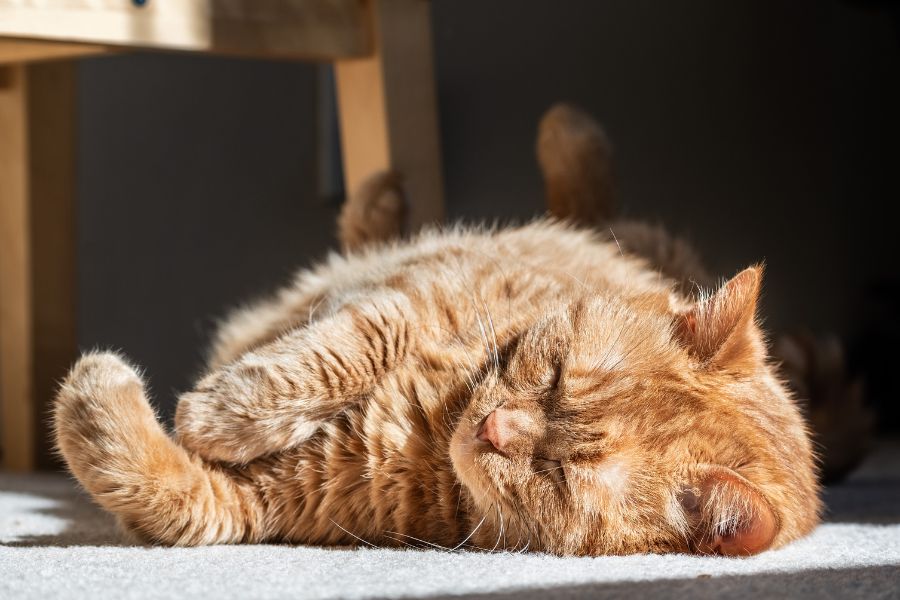


Living with a dog or cat who constantly scratches, licks, or sneezes can feel frustrating and confusing. This guide explains what causes allergic reactions, how to recognize symptoms early, what treatment options are available, and how to create a practical home care plan.
You will also learn when to seek professional support and how local environmental factors may affect your pet. Families in Daytona Beach often notice seasonal flare-ups due to coastal weather patterns, making awareness especially important in this location.
What Are Allergies in Pets?
Allergies occur when a pet’s immune system overreacts to a substance that is normally harmless. These substances, called allergens, can be found in food, grass, dust, mold, or even flea saliva. The body responds as if it is under threat, leading to itching, redness, ear problems, or digestive upset.
Dogs and cats experience allergies differently from people. Instead of coughing or watery eyes, many pets develop skin irritation. Persistent scratching is not simply a bad habit. It is often a sign that something deeper needs attention.
Common Triggers You Should Know
Identifying triggers helps narrow down the cause and guide care decisions. The most frequent sources include:
1. Environmental Allergens
-
Grass and tree pollen
-
Mold spores
-
Dust mites
-
Coastal humidity that encourages allergens to linger
2. Food Sensitivities
-
Beef
-
Chicken
-
Dairy
-
Wheat
3. Flea-Related Reactions
Even one flea bite can cause intense itching in sensitive pets.
Pets living near beaches or parks may encounter higher pollen exposure during warm months. Humidity levels along the coast can also extend allergy seasons compared to inland areas.
Recognizing the Signs Early
Many families miss early warning signs because symptoms develop gradually. Watch for:
-
Excessive scratching or chewing
-
Red, inflamed skin
-
Recurrent ear infections
-
Hair thinning
-
Paw licking
-
Vomiting or loose stool
Symptoms may appear mild at first. Without treatment, repeated irritation can damage the skin barrier and lead to infection. Early intervention keeps your companion comfortable and prevents long-term complications.
A Clear and Practical Diagnosis Process
A transparent approach builds trust and leads to better results. Diagnosis often includes:
Step 1: Medical History Review
Your pet’s diet, environment, and grooming habits provide valuable clues.
Step 2: Physical Examination
Skin condition, ear health, and coat quality are evaluated carefully.
Step 3: Rule Out Other Causes
Parasites and infections must be excluded before confirming allergic conditions.
Step 4: Targeted Testing or Diet Trials
Food trials or simple allergy testing may be recommended if symptoms persist.
Each step focuses on understanding the root cause rather than masking symptoms.
Treatment Options That Support Long-Term Comfort
Management plans vary based on the trigger and severity. The goal is relief and prevention.
1. Medication for Itch Relief
Modern medications reduce inflammation and calm the immune response. These options provide comfort while identifying the underlying cause.
2. Medicated Shampoos
Special bathing products remove allergens from the coat and soothe irritated skin.
3. Diet Adjustments
Limited-ingredient or prescription diets may reduce flare-ups caused by food reactions.
4. Allergy Injections or Oral Therapy
For persistent environmental sensitivities, long-term immune support can decrease reactions over time.
No single solution works for every pet. Individualized plans create the best outcomes.
Home Care Strategies That Make a Difference
Daily habits influence how well symptoms stay controlled.
-
Wash bedding weekly in hot water
-
Vacuum frequently using HEPA filters
-
Rinse paws after outdoor walks
-
Maintain consistent flea prevention
-
Feed a balanced, high-quality diet
Small changes can reduce allergen exposure and improve skin resilience. Families who stay consistent often see fewer flare-ups.
When Should You Seek Professional Care?
Occasional scratching is normal. Persistent discomfort lasting more than a few days deserves attention. If your pet develops open sores, ear discharge, or behavior changes, schedule an exam promptly.
If you would like to learn more about preventive wellness programs, diagnostics, and treatment options available for your companion, we invite you to explore our website for a complete overview of our services and care philosophy. Transparent information empowers confident decisions.
Why Local Climate Matters
Coastal Florida’s warmth and moisture create ideal conditions for environmental allergens. Spring and late summer tend to bring heavier pollen counts. Indoor humidity can also encourage dust mite growth.
Regular checkups allow early detection of flare-ups common in beachside communities. Understanding seasonal patterns helps you prepare before symptoms worsen.
Preventing Recurring Flare-Ups
Prevention focuses on strengthening the skin barrier and limiting exposure.
-
Continue prescribed flea control year-round
-
Use air purifiers in humid months
-
Monitor diet consistency
-
Schedule routine wellness visits
Pets with ongoing pet allergies benefit from steady monitoring and adjustments as needed. Consistency keeps small issues from becoming major problems.
Supporting Your Pet’s Emotional Well-Being
Chronic itching affects more than the skin. It impacts mood and behavior. Irritated pets may seem restless or withdrawn. Gentle grooming, soft bedding, and calm home environments provide comfort.
Open communication with your care team ensures that adjustments can be made if symptoms change. Addressing concerns early helps protect both physical and emotional health.
Conclusion
Allergic conditions can feel overwhelming at first. Clear information and steady support make management achievable. Recognizing early signs, understanding triggers, and following a structured care plan protect your companion’s comfort. Thoughtful prevention reduces flare-ups and improves daily life. Pet allergies do not have to control your pet’s happiness when guided by attentive care and practical home strategies.
We are conveniently located in Daytona Beach, FL, and welcome you to our facility at 600 Mason Ave, Suite 200, Daytona Beach, FL 32117—where compassionate care and community come together for your pet’s well-being. Schedule an appointment with Rawls Veterinary Hospital.
Frequently Asked Questions
1. What causes most allergic reactions in dogs and cats?
A: Environmental allergens such as pollen and dust mites are common triggers. Food sensitivities and flea bites also contribute. Identifying the exact cause requires reviewing diet, lifestyle, and medical history before starting targeted management.
2. Can allergies develop later in life?
A: Yes. Pets can develop sensitivities at any age. Some experience symptoms after years without issues. Changes in environment, diet, or immune response may contribute to new reactions.
3. Are allergies contagious between pets?
A: No. Allergic reactions are individual immune responses. They cannot spread from one animal to another. Shared environments may expose pets to similar triggers, leading to comparable symptoms.
4. How long does treatment usually take?
A: Relief from itching may occur within days once treatment begins. Identifying the root cause can take several weeks, especially during food trials. Long-term management often requires ongoing monitoring.
5. Can bathing help reduce symptoms?
A: Yes. Medicated shampoos remove allergens and soothe irritated skin. Bathing frequency depends on your pet’s condition and should follow professional guidance to avoid drying the skin.
6. Will my pet need lifelong care?
A: Some pets require seasonal treatment only. Others need ongoing management. Consistent monitoring and preventive steps reduce flare-ups and improve quality of life over time.
Related Articles