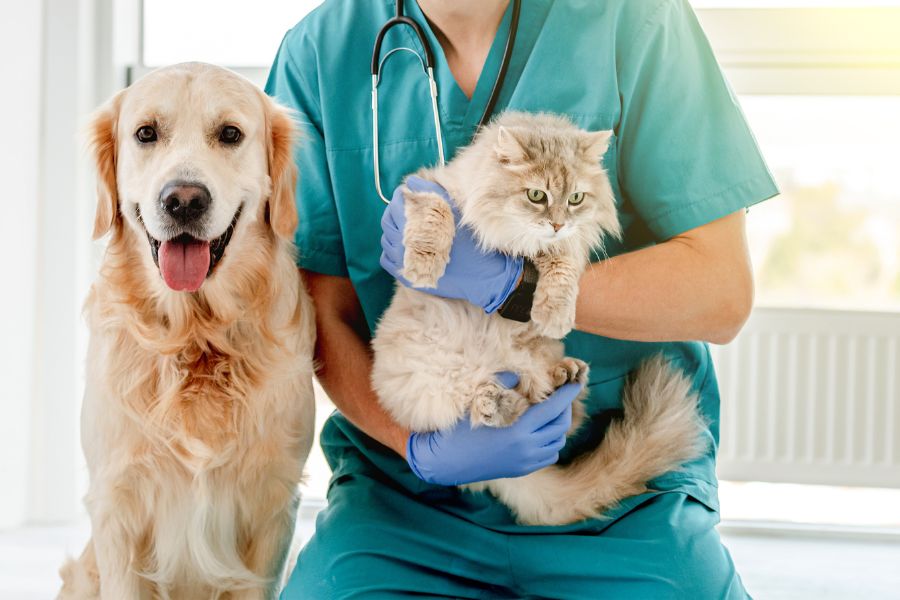


Managing your pet’s weight starts with small, consistent choices, especially when it comes to treats. Many popular snacks are high in calories and low in nutrition, which can quietly contribute to weight gain. This guide explores healthier snack swaps, portion awareness, and practical feeding habits that support better health without removing the joy of treating your pet.
If you live in a warm, active coastal area like Daytona Beach, adjusting snack routines can also help your pet stay comfortable and energetic year-round.
Why Snack Choices Matter More Than You Think
Treats often feel harmless, yet they can make up a significant portion of your pet’s daily calorie intake. A few extra biscuits or table scraps may not seem like much, though they add up quickly over time. Pets that carry extra weight can face reduced mobility, lower energy levels, and long-term health concerns.
Healthy snack swaps provide a simple way to reduce excess calories while still rewarding good behavior. The goal is not to eliminate treats but to make them more purposeful and balanced.
Understanding the Calorie Impact of Common Treats
1. Hidden Calories in Everyday Snacks
Many store-bought treats are designed for taste rather than nutrition. They may contain added sugars, fillers, and fats that increase calorie density. Even small portions can exceed your pet’s needs.
2. Portion Size Still Matters
Even healthy snacks can contribute to weight gain if given in large amounts. Measuring portions and limiting frequency creates a more controlled feeding routine. Treats should only make up a small percentage of daily intake.
Vet-Recommended Healthy Snack Swaps
1. Fresh Vegetables Instead of Processed Treats
Carrots, green beans, and cucumber slices offer crunch and satisfaction without excess calories. These options are easy to prepare and widely available in local grocery stores.
2. Lean Proteins Over Fatty Snacks
Small pieces of plain, cooked chicken or turkey can replace high-fat treats. These provide protein without unnecessary additives.
3. Fruits in Moderation
Apples (without seeds), blueberries, and watermelon can be refreshing snack options. They are naturally sweet and hydrating, especially useful in warmer climates.
4. Low-Calorie Commercial Alternatives
Some pet food brands offer treats specifically designed for weight management. Look for options labeled low-calorie or light, with clear ingredient lists.
5. Homemade Treat Options
Simple homemade snacks using oats, pumpkin, or plain yogurt allow better control over ingredients. Preparing treats at home also reduces reliance on processed options.
Building a Balanced Treat Routine
1. Set a Daily Limit
Decide how many treats your pet can have each day and stick to that number. This helps prevent overfeeding.
2. Use Treats for Training Only
Instead of offering snacks randomly, reserve them for positive reinforcement during training sessions.
3. Replace Treats with Attention
Pets often respond just as well to praise, playtime, or affection. This reduces dependency on food rewards.
4. Stay Consistent Across the Household
Ensure everyone in the home follows the same feeding rules. Mixed habits can lead to overfeeding.
Local Considerations for Pet Owners in Daytona Beach
The climate in Daytona Beach encourages outdoor activity, though heat and humidity can limit exercise during certain times of the day. This makes calorie control even more important.
Access to fresh produce from local markets allows pet owners to easily incorporate healthy snack options. Seasonal fruits and vegetables provide variety and affordability.
If you’re located in Daytona Beach and looking for trusted veterinary care near you, then schedule an appointment with Rawls Veterinary Hospital. You can also explore their homepage to learn more about preventive care, nutrition guidance, and wellness services that support your pet’s overall health.
Signs Your Pet May Need a Snack Adjustment
1. Reduced Energy Levels
Pets that tire easily may be carrying extra weight, which affects stamina.
2. Difficulty Moving
Struggling to jump, climb stairs, or walk comfortably can indicate weight-related strain.
3. Increased Appetite Without Satisfaction
Frequent begging may be linked to high-calorie, low-nutrient treats that do not provide lasting fullness.
4. Visible Body Changes
A lack of a defined waist or difficulty feeling ribs can suggest weight gain.
Recognizing these signs early allows you to adjust feeding habits before concerns become more serious.
Transitioning to Healthier Snacks
1. Make Gradual Changes
Switching treats suddenly can confuse your pet. Introduce new options slowly while reducing less healthy ones.
2. Observe Preferences
Every pet has different tastes. Experiment with various healthy snacks to find what your pet enjoys.
3. Monitor Weight Progress
Track your pet’s weight over time to see how changes in diet affect their health.
4. Stay Patient
Weight management is a gradual process. Consistency matters more than quick results.
Common Mistakes to Avoid
1. Overcompensating with “Healthy” Treats
Even nutritious snacks can lead to weight gain if given too frequently.
2. Ignoring Overall Diet
Treats are only one part of the equation. Balanced meals are equally important.
3. Feeding Table Scraps
Human food often contains ingredients that are unsuitable or too rich for pets.
4. Lack of Routine
Irregular feeding patterns can disrupt metabolism and lead to overeating.
Conclusion
Healthy snack swaps create a practical path toward better weight management without removing enjoyment from your pet’s routine. Thoughtful choices, portion control, and consistency make a noticeable difference over time. Small adjustments can improve energy levels, mobility, and overall well-being, even for overweight pets. We are conveniently located in Daytona Beach, FL. Reach out to our facility at 600 Mason Ave, Suite 200, Daytona Beach, FL 32117—where compassionate care and community come together for your pet’s well-being.
Frequently Asked Questions(FAQs):
1. What are the best low-calorie snacks for pets?
A: Fresh vegetables like carrots and green beans are excellent low-calorie options. They provide fiber and crunch while helping control calorie intake. Always introduce new foods gradually to ensure your pet tolerates them well.
2. How many treats should I give my pet daily?
A: Treats should not exceed 10% of your pet’s daily calorie intake. The exact amount depends on size, age, and activity level. Measuring portions helps maintain a consistent and balanced feeding routine.
3. Can fruits be given to pets safely?
A: Certain fruits like apples and blueberries are safe in moderation. Remove seeds and avoid high-sugar fruits. Offering small portions occasionally keeps the diet balanced without adding excessive calories.
4. Are homemade treats better than store-bought ones?
A: Homemade treats allow better control over ingredients and portion sizes. They can be healthier if prepared correctly. Avoid adding sugar, salt, or artificial ingredients when making snacks at home.
5. How can I tell if my pet is gaining too much weight?
A: Signs include reduced activity, difficulty moving, and visible body changes such as a lack of waist definition. Regular weight checks and observing behavior can help identify early changes.
6. Should I stop giving treats completely?
A: Eliminating treats is not necessary. Choosing healthier options and controlling portions allows you to continue rewarding your pet without negatively impacting their weight or overall health.