

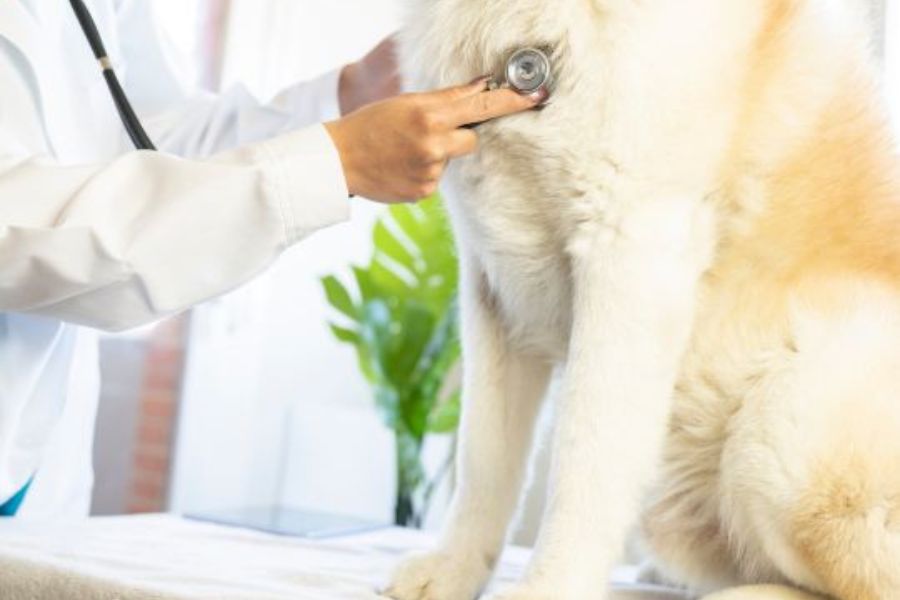
Every pet owner wants their furry companion to live a long, happy, and healthy life. While treating illnesses is important, the best way to protect your pet’s health is through preventive care. Preventive veterinary care focuses on detecting potential health problems early, reducing risks, and supporting overall wellness throughout every stage of your pet’s life.
At Rawls Veterinary Hospital, preventive care is a key part of helping pets in the community stay healthy and active for years to come.
Wellness Exams: The Foundation of Preventive Care
Routine wellness exams are one of the most important parts of preventive veterinary care. During these visits, veterinarians carefully evaluate your pet’s overall health, including their heart, lungs, skin, weight, teeth, and behavior.
Unlike emergency appointments, wellness exams focus on identifying early signs of illness before they become serious problems. Subtle changes—such as shifts in appetite, coat quality, or activity level—can sometimes signal underlying health issues.
By catching these concerns early, veterinarians can often treat them more easily and improve long-term health outcomes for your pet.
Vaccinations: Protecting Pets from Serious Diseases
Vaccinations play a crucial role in protecting pets from dangerous and potentially life-threatening diseases. Core vaccines help prevent illnesses such as rabies, distemper, and parvovirus.
Keeping your pet’s vaccinations up to date helps:
- Protect them from contagious diseases
- Prevent outbreaks in the community
- Support overall public health
Even adult pets require booster shots to maintain immunity. Regular vaccination schedules help ensure your pet remains protected throughout their lifetime.
Nutrition: Building a Healthy Lifestyle
Good nutrition is another key element of preventive care. The right diet supports strong immune systems, healthy weight, and overall vitality.
Pets have different nutritional needs depending on their life stage:
- Puppies and kittens require higher protein levels for growth.
- Adult pets benefit from balanced diets that maintain energy and weight.
- Senior pets may need specialized diets to support joint health or manage medical conditions.
Your veterinarian can help recommend the best diet based on your pet’s age, breed, and lifestyle.
Dental Care: An Essential Part of Preventive Health
Dental health is often overlooked, but it plays a major role in your pet’s overall well-being. Plaque buildup and gum disease can cause pain, tooth loss, and infections if left untreated.
Even more concerning, bacteria from dental infections can spread to vital organs such as the heart, liver, and kidneys.
Preventive dental care may include:
- Professional dental cleanings
- Regular at-home brushing
- Dental treats or chews designed to reduce plaque
Maintaining your pet’s oral health can greatly improve their comfort and long-term health.
Parasite Prevention: Protecting Pets Year-Round
Parasites such as fleas, ticks, and heartworms are more than just a nuisance—they can lead to serious health problems.
Preventive medications and routine screenings help protect pets from these harmful parasites. Consistent parasite prevention can reduce the risk of conditions such as:
- Heartworm disease
- Skin infections
- Tick-borne illnesses
- Severe itching and discomfort
Because parasites thrive year-round in many areas, maintaining a consistent prevention routine is essential.
Senior Pet Care: Supporting Aging Pets
As pets age, their health needs change. Senior pets often require additional monitoring to detect age-related conditions such as arthritis, kidney disease, or diabetes.
Preventive care for older pets may include:
- More frequent wellness exams
- Bloodwork and diagnostic testing
- Joint health management
- Weight monitoring
These proactive measures help veterinarians address potential health issues early and improve your pet’s comfort during their senior years.
Preventive Care Starts at Home
While veterinary visits are essential, pet owners also play an important role in preventive care at home.
Simple daily habits can make a big difference, such as:
- Providing regular exercise
- Maintaining grooming routines
- Monitoring appetite and behavior changes
- Keeping your home environment safe for pets
By staying attentive to your pet’s daily habits, you can often identify potential health concerns before they become serious.
Supporting Lifelong Pet Health
Preventive care is one of the most valuable gifts you can give your pet. By focusing on regular wellness exams, vaccinations, proper nutrition, dental care, and parasite prevention, pet owners can help their companions live longer and healthier lives.
At Rawls Veterinary Hospital, our veterinary team is committed to providing comprehensive preventive care that supports pets at every stage of life.
When pet owners prioritize prevention instead of waiting for illness to appear, pets don’t just live longer—they thrive.
Frequently Asked Questions (FAQs)
1. Why is preventive care important for pets?
Preventive care helps detect health issues early, making treatment easier and improving long-term health outcomes for pets.
2. How often should my pet have a wellness exam?
Most pets should have a wellness exam at least once a year. Senior pets may benefit from checkups every six months.
3. What services are included in preventive veterinary care?
Preventive care may include wellness exams, vaccinations, parasite prevention, dental care, nutritional guidance, and routine diagnostic testing.
4. Do indoor pets still need preventive care?
Yes. Even indoor pets need vaccinations, dental care, and routine exams to maintain their health and detect hidden conditions early.
5. When should preventive care start for my pet?
Preventive care should begin during puppy or kittenhood and continue throughout your pet’s life to maintain optimal health.
Related Articles
