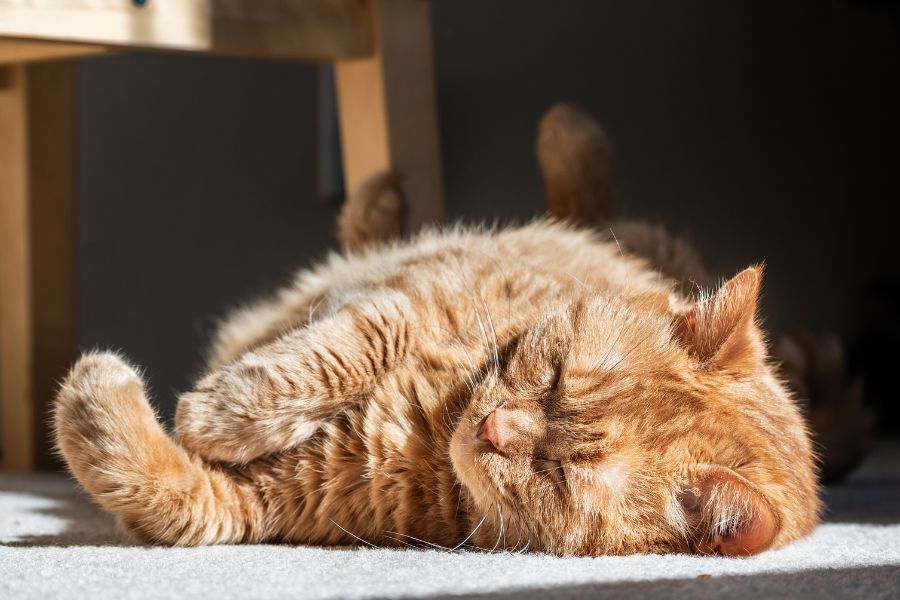
Once your cat crosses the age of 10, the rules of care quietly shift. Senior cats need more frequent health check-ups, adjusted nutrition, gentler exercise, and extra attention to subtle behavioral changes that often signal bigger health issues underneath.
This guide walks through every key area of senior cat care — from what to feed them and how to spot pain they can’t express, to the right schedule for seeing a veterinarian near you, and how to make your home more comfortable as they age. Whether your cat has just turned 10 or is well into their golden years, these insights will help you give them the quality of life they deserve.
Kitten: 0–1 yr
Adult: 1–7 yrs
Senior: 7–10 yrs
Geriatric: 10+ yrs
Understanding the Senior Cat Life Stage
Cats age much faster than humans. By the time a cat reaches 10 years old, it is roughly equivalent to a 56-year-old person. At 15, that jumps to around 76. This accelerated aging means that health changes that might take years to develop in humans can appear — or worsen — within months in a senior cat.
Recognizing that your cat has entered this life stage is the first step toward adjusting your approach to their care. The good news: cats who receive attentive, age-appropriate support in their senior years often live well into their late teens with excellent quality of life.
How Nutritional Needs Shift After 10
Protein Becomes More Important, Not Less
A common myth is that senior cats need less protein to protect their kidneys. Unless your cat has been diagnosed with kidney disease, the opposite is often true. Older cats have a reduced ability to digest and absorb protein efficiently, so they may actually need senior-specific cat food with high-quality, highly digestible protein sources to maintain lean muscle mass.
Muscle loss — known as sarcopenia — is one of the most significant and underrecognized issues in aging cats. Cats who lose muscle become weaker, have more difficulty grooming, and are less able to maintain body temperature. A protein-rich diet tailored to their age helps slow this process considerably.
Caloric Needs Can Go Either Way
Some senior cats become less active and gain weight. Others — particularly those over 12 — begin losing weight even while eating normally. Both extremes are worth monitoring. Sudden weight gain in a senior cat can indicate hypothyroidism or other hormonal changes, while unexplained weight loss may point to hyperthyroidism, diabetes, or inflammatory bowel disease.
Weigh your cat monthly at home if possible, and log the numbers. A consistent 5–10% drop in body weight over a few months warrants a trip to your vet.
Hydration Matters More Than Ever
Senior cats are significantly more prone to kidney disease and urinary tract issues. Supporting kidney health starts with keeping your cat well-hydrated. Many senior cats do better on wet food or a combination of wet and dry, as it naturally increases water intake. Consider adding a cat water fountain — moving water often encourages cats to drink more.
Key tip: Transition to a senior-formulated food gradually over 7–10 days by mixing it with the current food. A sudden switch can cause digestive upset in older, more sensitive cats.
Common Health Conditions in Cats Over 10
While every cat is different, certain conditions become significantly more common once cats enter their geriatric years. Being aware of these helps you catch warning signs early.
- Chronic kidney disease (CKD) affects an estimated 30–40% of cats over 12. Often symptom-free in early stages, which is why regular blood work is essential.
- Hyperthyroidism — the most common hormonal disorder in senior cats. Causes weight loss, increased appetite, and restlessness despite the cat appearing “energetic.”
- Osteoarthritis — underdiagnosed in cats because they hide pain well. Look for reluctance to jump, stiffness after rest, and changes in litter box use.
- Dental disease affects the majority of cats over 10 and can make eating painful or reduce food intake without obvious signs.
- High blood pressure (hypertension) — often secondary to kidney disease or hyperthyroidism, and can cause sudden blindness if left untreated.
- Cognitive dysfunction — the feline equivalent of dementia. Signs include disorientation, changes in sleep-wake cycles, and increased vocalization at night.
Recognizing Pain in a Senior Cat
Cats are instinctively wired to conceal weakness, which means pain is one of the most underrecognized and undertreated issues in senior cats. Rather than obvious limping or crying, watch for subtler signs: a reluctance to be touched in certain areas, changes in posture, reduced grooming of hard-to-reach spots, squinting, or a hunched back.
If your cat has stopped jumping onto furniture they previously loved, don’t assume they’ve simply lost interest. More often, this is a sign that the jump hurts. Similarly, missing the litter box may not be a behavioral problem — it may be that the sides are too high to step over comfortably with stiff joints.
Adjusting Your Home for an Aging Cat
Make Everything Easier to Access
Small adjustments to your home environment can dramatically improve a senior cat’s comfort and independence. Provide ramps or steps to their favorite resting spots. Switch to a litter box with lower sides. Place food, water, and litter on the same floor so they don’t need to navigate stairs multiple times a day.
Warmth and Rest Spaces
Senior cats lose body heat more easily and tend to seek warm resting spots. Offer a self-warming cat bed or place a blanket in their favorite sunny spot. Avoid placing bedding near drafts or air conditioning vents.
How Often Should a Senior Cat See the Vet?
For most adult cats, annual check-ups are standard. For cats over 10, twice-yearly visits are strongly recommended. Many conditions common in older cats — kidney disease, hypertension, hyperthyroidism — are far easier to manage when caught early through routine blood and urine testing.
Don’t wait for visible symptoms to schedule a check-up. A cat that “seems fine” can have kidney function that has declined by 70% before showing outward signs. Regular screening is the most powerful tool you have for protecting your older cat’s longevity. If you’re unsure what tests your cat needs or how frequently, a veterinarian near you can build a personalized senior pet care plan based on your cat’s history and risk factors.
Behavioral Changes to Watch For
Personality shifts in older cats deserve attention rather than acceptance. A cat who becomes clingy, newly aggressive, or starts vocalizing more at night may be experiencing discomfort, cognitive changes, or anxiety connected to reduced hearing or vision. Equally, a cat who becomes unusually withdrawn or stops seeking interaction may be dealing with pain or illness.
Keep notes on what’s normal for your individual cat. Because changes often happen gradually, having a baseline helps you notice when something has shifted — and gives your care team useful context during visits.
Final Thoughts: Your Senior Cat Deserves Expert Support
Caring for a cat over 10 is one of the most rewarding chapters of pet ownership. With the right nutrition, a watchful eye for early symptoms, thoughtful home adjustments, and consistent professional check-ups, many senior cats thrive well into their late teens.
If you’re in the Daytona Beach area and looking for experienced, compassionate support for your aging cat, Rawls Veterinary Hospital is here for you. Their team understands that senior pets aren’t just older animals — they’re cherished family members who deserve individualized, attentive care every step of the way.
Frequently Asked Questions(FAQs):
Q1: At what age is a cat considered senior?
A: Most experts classify cats as senior at 7–10 years and geriatric at 10 and above. However, individual health, breed, and lifestyle all influence how a cat ages, so the classification is a guide rather than a strict rule.
Q2: How often should I take my senior cat to the vet?
A: Cats over 10 benefit from twice-yearly wellness visits that include blood work and urinalysis. Early detection of conditions like kidney disease or hyperthyroidism makes a significant difference in treatment outcomes and quality of life.
Q3: What are the signs that my senior cat is in pain?
A: Senior cats rarely vocalize pain. Instead, watch for reluctance to jump, stiffness, changes in grooming habits, avoiding touch in certain spots, or missing the litter box. These subtle shifts are often the clearest signals that something is wrong.
Q4: Should I change my senior cat’s food after age 10?
A: Switching to a senior-formulated diet is often beneficial, particularly one with high-quality protein and added moisture. Any food transition should be done gradually over 7–10 days, and ideally guided by a professional based on your cat’s specific health status.
Q5: Why is my older cat losing weight even though it’s eating normally?
A: Unexplained weight loss in a senior cat eating normally is often linked to hyperthyroidism, diabetes, inflammatory bowel disease, or early kidney disease. It warrants a prompt check-up, as most of these conditions are very manageable when caught early.
Q6: Can cats get dementia as they age?
A: Yes — feline cognitive dysfunction is a real condition with symptoms similar to dementia in humans. Signs include disorientation, changes in sleep patterns, increased nighttime crying, and reduced interaction. There are management strategies that can meaningfully improve a cat’s comfort and routine.