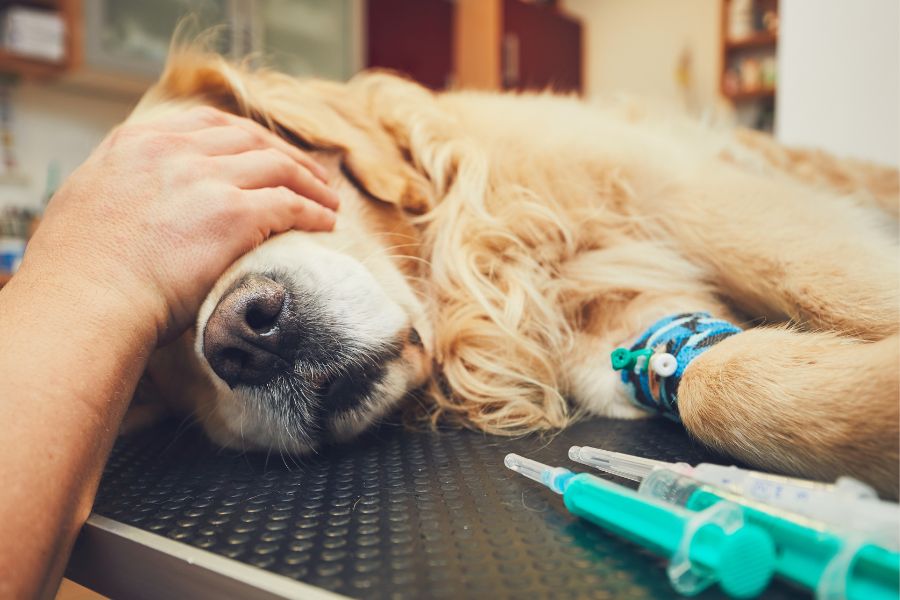
Your pet’s eyes can reveal clues about overall health. Mild redness or occasional tearing may appear harmless, yet some eye problems can progress quickly without proper treatment. Pets often hide pain, making it difficult for owners to recognize serious issues early. Squinting, cloudiness, swelling, discharge, or sudden behavior changes can signal deeper concerns that need prompt attention.
This guide explains common symptoms, possible causes, and situations that may require medical evaluation. You will also learn how routine exams, observation, and timely appointments support lasting eye health.
Common Signs of Eye Conditions in Pets
Eye problems can affect dogs, cats, and other companion animals in different ways. Some conditions develop slowly. Others appear within hours. Observation helps owners respond quickly.
1. Redness and Swelling
Persistent redness around the eye may indicate irritation, infection, allergies, or injury. Swelling near the eyelids can cause discomfort and sensitivity. Pets may rub their faces against furniture or paws because of irritation.
2. Excessive Tearing or Discharge
Clear tearing sometimes develops from dust or mild irritation. Thick yellow, green, or cloudy discharge may point toward infection or blocked tear ducts. Constant moisture around the eyes can also irritate the surrounding skin.
3. Squinting and Light Sensitivity
Frequent blinking or squinting may suggest pain inside the eye. Some pets avoid sunlight when discomfort increases. These symptoms deserve attention because untreated inflammation can worsen quickly.
4. Cloudiness or Color Changes
Healthy eyes usually appear bright and clear. A cloudy surface, bluish tint, or white appearance inside the eye may signal cataracts, corneal injury, or pressure-related problems. Sudden color changes require professional evaluation.
Behavioral Changes That May Signal Vision Problems
Pets with vision difficulties often behave differently at home. These changes may appear subtle during the early stages.
1. Bumping Into Objects
A pet that suddenly walks into walls, furniture, or doorways could have reduced vision. Hesitation around stairs or unfamiliar spaces also deserves attention.
2. Increased Anxiety or Withdrawal
Vision problems may cause confusion and stress. Some pets become clingy, restless, or withdrawn because they cannot navigate familiar surroundings comfortably.
3. Pawing at the Eyes
Repeated rubbing or scratching around the face can increase irritation and create additional injuries. This behavior should never be ignored.
Conditions That Often Require Specialized Care
Some eye conditions respond well to basic treatment. Others require testing and targeted management.
1. Corneal Ulcers
Corneal ulcers develop when the eye surface becomes damaged. Pets with ulcers often squint, tear excessively, and avoid touch near the face. Severe ulcers can threaten vision without prompt care.
2. Glaucoma
Glaucoma occurs when pressure builds inside the eye. Symptoms may include redness, cloudiness, swelling, and pain. Immediate medical attention is important because permanent vision loss can happen rapidly.
3. Cataracts
Cataracts create a cloudy appearance within the lens of the eye. Older pets commonly develop cataracts, although diabetes and injuries can also contribute. Cases sometimes require surgical treatment.
4. Dry Eye
Dry eye reduces normal tear production, leading to irritation and inflammation. Thick discharge and chronic redness often accompany this condition. Long-term monitoring helps protect eye comfort.
Why Early Evaluation Matters
Quick action improves treatment outcomes for many eye conditions. Delayed care can increase discomfort and reduce the chances of preserving vision. Regular wellness visits and eye examinations support early detection. Clinics offering pet diagnostic care can identify underlying problems before symptoms become severe. Owners searching for a veterinarian near you should choose a clinic that values clear communication, detailed assessments, and treatment recommendations.
Tips for Protecting Your Pet’s Eye Health
Simple habits can support vision throughout your pet’s life.
- Keep fur trimmed around the eyes.
- Avoid exposing pets to smoke, harsh chemicals, or debris.
- Schedule routine wellness examinations.
- Monitor changes in appearance or behavior.
- Prevent rough play that could cause eye injuries.
Conclusion
Eye problems can affect your pet’s comfort, safety, and daily quality of life. Careful observation and timely medical attention support healthier outcomes and reduce the risk of permanent vision complications. If you are located in Daytona Beach and searching for a trusted veterinarian near you, meet our team. We’re ready to provide compassionate guidance and attentive care for your pet’s eye health and families.
Frequently Asked Questions(FAQs):
1. Can allergies cause eye problems in pets?
A: Yes. Allergies may trigger redness, tearing, itching, and swelling around the eyes. Persistent symptoms should still receive professional attention because infections and other conditions can resemble allergic reactions in many pets.
2. Are cloudy eyes always a sign of blindness?
A: Not always. Cloudiness may develop from aging changes, cataracts, corneal damage, or pressure inside the eye. An examination helps determine the exact cause and identify whether vision loss is present.
3. Should I clean my pet’s eyes at home?
A: Gentle cleaning with a soft, damp cloth may remove debris around the eyes. Owners should avoid medicated drops or harsh products unless recommended by a trained professional.
4. How quickly should eye injuries be treated?
A: Eye injuries deserve prompt medical attention because damage can worsen rapidly. Delaying treatment may increase pain, infection risk, and the possibility of long-term vision complications for your pet.
5. Why does my pet keep pawing at one eye?
A: Repeated pawing often indicates irritation, pain, or discomfort. Causes may include allergies, scratches, infections, or foreign objects trapped near the eye. Persistent rubbing requires professional evaluation to prevent additional injury.
6. Can senior pets develop more eye conditions?
A: Yes. Aging pets face greater risks for cataracts, dry eye, glaucoma, and vision decline. Regular examinations help identify changes early and support long-term comfort and eye function.