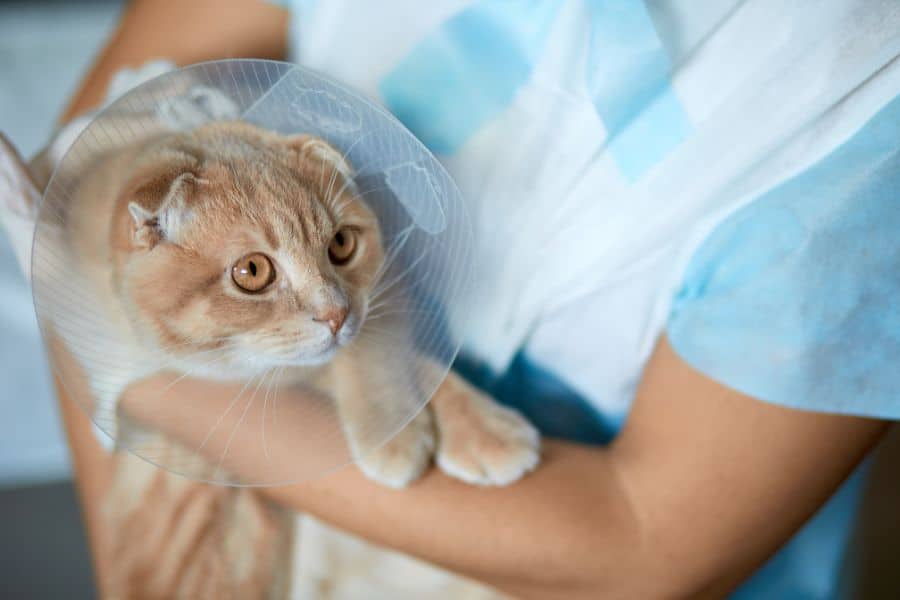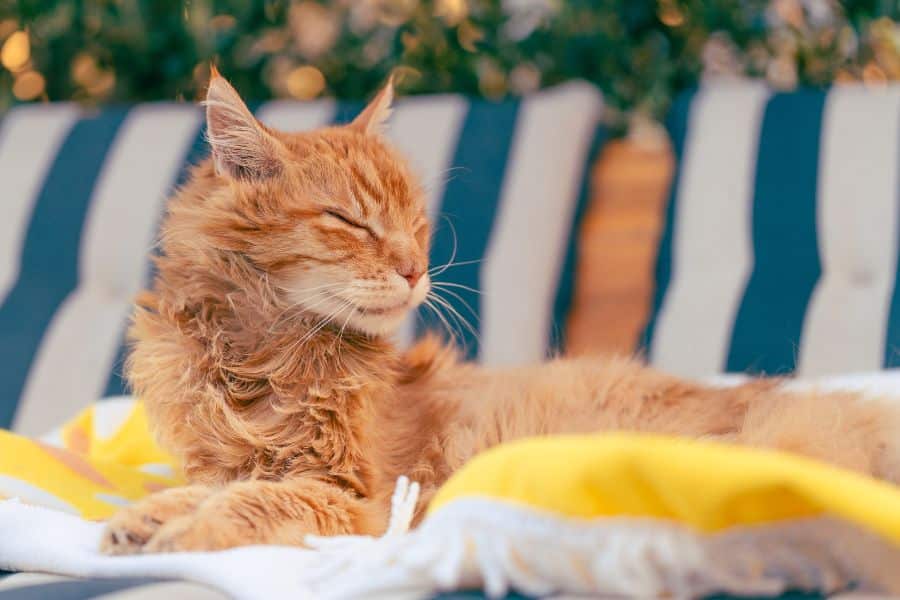

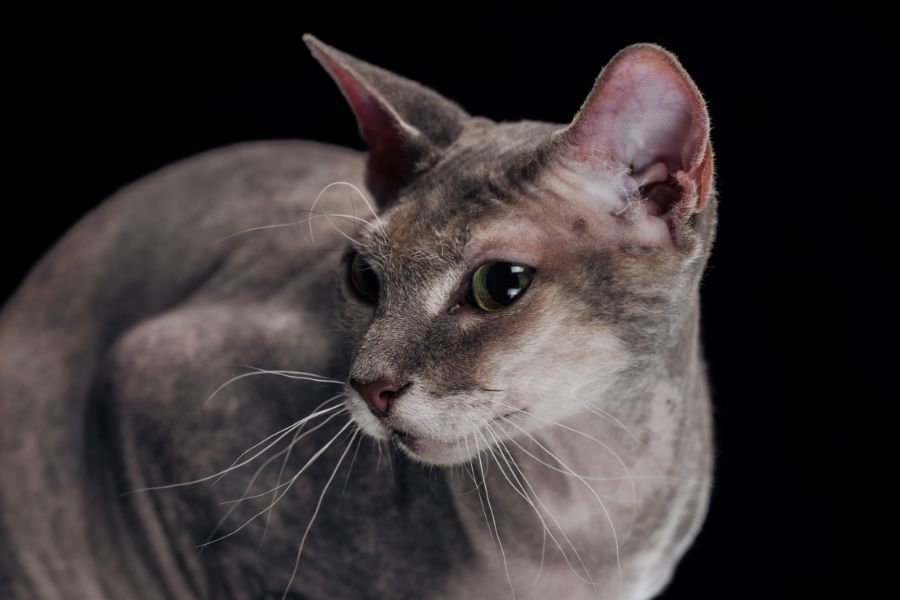
Living with cat allergies does not always mean giving up on the idea of having a feline companion. Some cats produce fewer allergens, while others shed less or have coat types that are easier to manage indoors. This guide explores suitable breeds, practical care tips, and ways to create a comfortable home for both you and your pet.
You will also learn how lifestyle, grooming, and home setup affect allergy levels. For residents in Marcellus, understanding these choices can make pet ownership more enjoyable and realistic.
Understanding Cat Allergies
Cat allergies are usually triggered by a protein called Fel d 1, found in saliva, skin, and dander. When cats groom themselves, this protein spreads across their fur and into the air. It settles on furniture, carpets, and clothing.
Not all cats produce the same amount of this protein. Some breeds naturally generate lower levels, which can reduce reactions. No cat is completely hypoallergenic, though certain characteristics make some breeds easier to live with.
Common Allergy Symptoms
- Sneezing and nasal congestion
- Itchy or watery eyes
- Skin irritation after contact
- Mild breathing discomfort
Managing these symptoms often depends on choosing the right cat and maintaining a clean indoor space.
What Makes a Cat More Allergy-Friendly?
Several traits influence how a cat affects allergy sufferers:
1. Low-Shedding Coats
Cats that shed less spread fewer allergens into the environment.
2. Unique Fur Types
Some breeds have curly, short, or minimal fur that traps allergens instead of releasing them into the air.
3. Lower Protein Production
Certain cats naturally produce less Fel d 1, which may reduce allergic reactions.
4. Grooming Habits
Cats that require frequent grooming can help reduce allergen buildup when properly maintained.
Best Cat Breeds for Allergy-Prone Homes
Choosing the right breed plays a major role in creating a comfortable living environment. Below are some well-known options that are often considered better suited for allergy-sensitive households.
1. Siberian
Despite having a thick coat, the Siberian cat is known to produce lower levels of allergenic proteins. Many allergy sufferers report fewer symptoms around this breed. They are friendly, adaptable, and enjoy indoor living.
2. Balinese
Often referred to as a long-haired Siamese, the Balinese produces less Fel d 1 protein. Their silky coat does not mat easily, which helps reduce allergen spread.
3. Bengal
Bengals have a short, fine coat that requires minimal grooming. Less shedding means fewer allergens circulating indoors. They are active and enjoy interactive play.
4. Devon Rex
The Devon Rex has a soft, curly coat that sheds very little. Their unique fur structure helps limit the amount of loose hair and dander in the environment.
5. Cornish Rex
Similar to the Devon Rex, this breed has a short, wavy coat. They lack the typical outer fur layer, which results in less shedding and easier maintenance.
6. Russian Blue
Russian Blue cats are known for their dense, plush coat and lower allergen levels. They are calm, quiet, and well-suited for indoor environments.
Creating an Allergy-Friendly Home
Even with the right breed, managing your environment is essential. A few simple adjustments can significantly improve comfort.
1. Maintain Clean Surfaces
Vacuum regularly using a HEPA filter vacuum. Clean furniture, curtains, and carpets to reduce allergen buildup.
2. Use Air Purifiers
Air purifiers help capture airborne particles, including dander.
3. Designate Pet-Free Zones
Keep certain areas, such as bedrooms, off-limits to your cat to create a safe space.
4. Wash Hands Frequently
After petting or handling your cat, washing your hands can reduce irritation.
Grooming Tips to Reduce Allergens
Regular grooming plays a key role in managing allergens indoors.
- Brush your cat several times a week
- Use grooming wipes designed for cats
- Bathe occasionally if the breed allows
- Clean bedding and toys regularly
Consistent grooming helps remove loose fur and reduces the spread of allergens.
Indoor Living Benefits for Allergy Sufferers
Keeping cats indoors offers several advantages for people with allergies:
- Reduced exposure to outdoor allergens
- Better control over cleanliness
- Easier grooming routines
- Lower risk of parasites that may worsen symptoms
Indoor living also helps maintain a consistent environment, which is beneficial for both pets and owners.
Choosing the Right Match
Selecting a cat is not only about breed. Personality, grooming needs, and compatibility with your lifestyle matter just as much.
Spend time with a cat before adopting. Short visits can help you understand how your body reacts. Every individual cat is different, even within the same breed.
Lifestyle Considerations for Owners
Living with a cat while managing allergies requires balance. Consider your daily routine and how much time you can dedicate to cleaning and grooming.
Families in Marcellus often deal with seasonal changes that can worsen allergies. During colder months, homes remain closed, which can trap allergens indoors. Planning with proper ventilation and cleaning routines can make a difference.
If you’re located in Marcellus and looking for trusted veterinary care near you, then schedule an appointment with Rawls Veterinary Hospital.
Conclusion
Finding the right cat while managing allergies requires thoughtful planning, but it is entirely possible. By selecting suitable indoor cat breeds, maintaining a clean home, and following consistent grooming practices, you can enjoy companionship without constant discomfort.
Understanding your sensitivity level and adapting your environment are key steps toward success. A balanced approach allows both you and your pet to thrive together. We are conveniently located in Marcellus, NY. Reach out to our facility at 2527 Cherry Valley Turnpike, Marcellus, NY 13108 – where compassionate care and community come together for your pet’s well-being.
Frequently Asked Questions(FAQs):
1. Are there completely hypoallergenic cats?
A: No cat is entirely hypoallergenic. Some breeds produce fewer allergens, which may reduce symptoms. Individual reactions vary, so spending time with a specific cat before adoption helps determine compatibility and comfort levels.
2. How can I reduce cat allergens at home?
A: Regular cleaning, using air purifiers, and grooming your cat frequently can lower allergen levels. Washing hands after contact and keeping certain areas pet-free also helps maintain a more comfortable indoor environment.
3. Do short-haired cats cause fewer allergies?
A: Not always. Allergies are caused by proteins in dander and saliva, not just fur length. Some short-haired cats still produce high allergen levels, while certain long-haired breeds may produce less.
4. Is it safe to bathe cats to reduce allergens?
A: Occasional bathing can help remove allergens from a cat’s coat. Use cat-friendly products and avoid overbathing, as it may dry out the skin. Consult a professional if unsure about frequency.
5. Can air purifiers help with cat allergies?
A: Yes, air purifiers with HEPA filters can capture airborne allergens like dander. They improve indoor air quality and can reduce allergy symptoms when used consistently alongside regular cleaning routines.
6. Should allergy sufferers avoid cats completely?
A: Not necessarily. Many people with mild allergies successfully live with cats by choosing suitable breeds and maintaining a clean environment. Careful planning and lifestyle adjustments can make pet ownership possible and enjoyable.
Related Articles