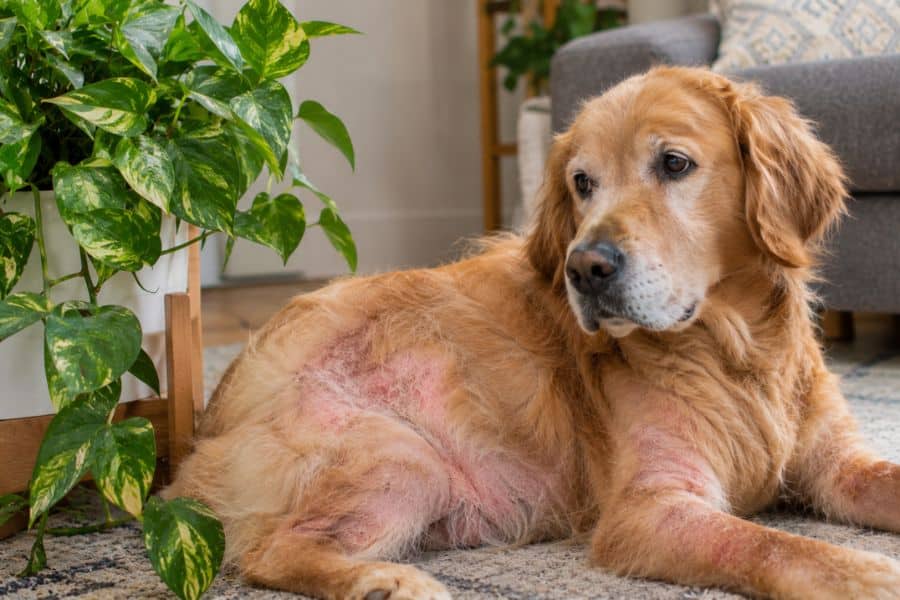

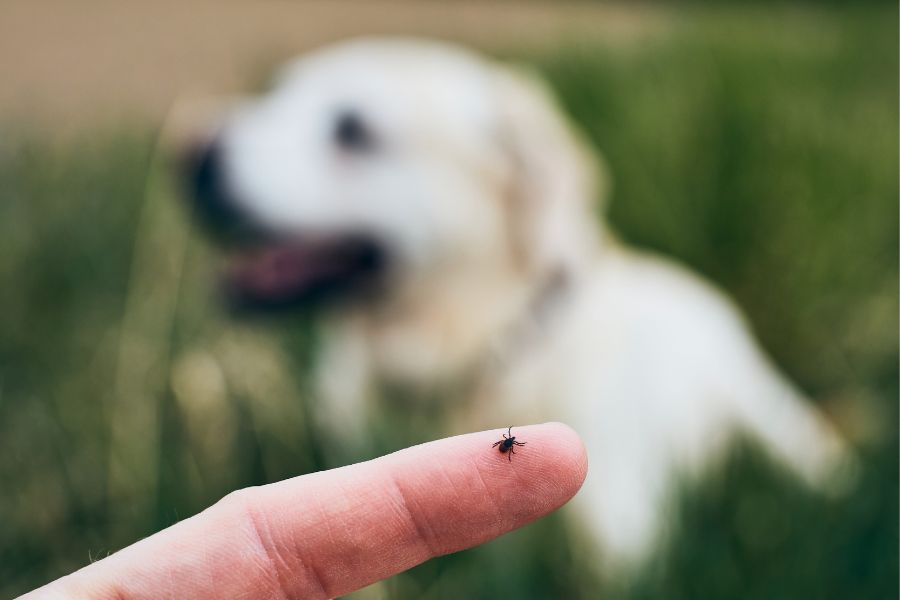
Fleas are one of the most frustrating problems dog owners face. They show up quickly, spread fast, and can make your dog miserable. If you’ve ever noticed your dog scratching nonstop, biting at their skin, or losing patches of fur, fleas may be the cause.
Many pet owners search for natural or DIY solutions before turning to medications. It makes sense. You want something safe, affordable, and easy to use. But the real question is: do home remedies for dog fleas actually work, or are they just temporary fixes?
Let’s take a clear, honest look at your options so you know exactly what to do if your dog has fleas—without wasting time or risking your pet’s health.
Understanding Fleas and Why They’re Hard to Eliminate
Before trying any remedy, it helps to understand what you’re dealing with.
Fleas are tiny parasites that feed on your dog’s blood. A single flea can lay dozens of eggs daily. These eggs fall off your dog and spread into your home—carpets, furniture, bedding, and even cracks in the floor.
This means treating your dog alone is not enough.
The Flea Life Cycle
- Eggs: Fall into your home environment
- Larvae: Hide in dark areas like carpets
- Pupae: Develop into adult fleas
- Adults: Live on your dog and bite
Because of this cycle, fleas can keep coming back if not handled properly.
What to Do If Your Dog Has Fleas
When you first notice fleas, quick action matters. Here’s a practical approach:
Step 1: Confirm the Presence of Fleas
Look for:
- Excessive scratching
- Red or irritated skin
- Tiny black specks (flea dirt)
Step 2: Start Immediate Relief
Use a flea comb to remove visible fleas. This gives your dog some relief right away.
Step 3: Address the Environment
Wash bedding, vacuum thoroughly, and clean areas your dog uses often.
Step 4: Choose a Treatment Plan
This is where many pet owners consider home remedies. Let’s explore those next.
Popular Home Remedies for Dog Fleas
There are many DIY flea remedies online. Some offer mild help, while others fall short. Here’s a realistic breakdown.
1. Apple Cider Vinegar Spray
Apple cider vinegar is often suggested as a natural flea repellent.
How it’s used:
- Mixed with water and sprayed on your dog’s coat
Does it work?
- It may repel fleas slightly due to its smell
- It does not kill fleas
Bottom line:
Helpful as a temporary deterrent, not a solution.
2. Dish Soap Baths
A bath with mild dish soap is a common quick fix.
How it works:
- Soap breaks down the flea’s outer shell, causing it to drown
Effectiveness:
- Kills live fleas on your dog
- Does not prevent reinfestation
Important note:
Frequent use can dry out your dog’s skin.
3. Baking Soda and Salt for Carpets
Some recommend sprinkling baking soda and salt on carpets.
Purpose:
- Dehydrate flea eggs and larvae
Reality:
- Limited effectiveness
- Requires repeated application and thorough vacuuming
4. Lemon Spray
Lemon contains natural compounds that may repel fleas.
How it’s used:
- Lemon slices boiled in water, cooled, then applied to your dog
Effectiveness:
- Mild repellent
- Does not kill fleas or eggs
5. Coconut Oil
Coconut oil has natural antibacterial properties.
Use:
- Applied to your dog’s skin
Benefits:
- May soothe irritated skin
- Can help reduce itching
Limitations:
- Does not eliminate fleas
Why Home Remedies Often Fall Short
Home remedies can sound appealing, but they usually don’t address the full problem.
Here’s why:
1. They Don’t Break the Life Cycle
Most DIY solutions only target adult fleas. Eggs and larvae remain untouched.
2. Results Are Temporary
You may see short-term relief, but fleas often return within days.
3. Inconsistent Effectiveness
Natural methods vary widely in results. What works for one dog may fail for another.
4. Risk of Delayed Treatment
Relying only on home remedies can allow infestations to worsen.
When to Consider Veterinary-Recommended Treatments
If fleas persist after basic home care, it’s time to move beyond DIY options.
Modern flea treatments are designed to:
- Kill fleas at multiple life stages
- Provide longer-lasting protection
- Reduce the chance of reinfestation
These include:
- Topical treatments
- Oral medications
- Flea collars with extended protection
If you’re unsure what to choose, it’s best to visit our website to learn about safe and effective parasite prevention options for your dog.
What to Do If Your Dog Has Fleas and Sensitive Skin
Dogs with sensitive skin need extra care.
1. Avoid Harsh Ingredients
Some DIY remedies can irritate the skin further.
2. Focus on Gentle Relief
- Use a mild shampoo
- Apply soothing products like oatmeal-based treatments
3. Monitor Closely
Watch for:
- Redness
- Hair loss
- Signs of infection
If symptoms worsen, seek professional care.
Treating Your Home: A Critical Step
Even the best treatment won’t work if your home remains infested.
Essential Cleaning Steps
- Vacuum carpets and furniture daily during treatment
- Wash all bedding in hot water
- Dispose of vacuum bags immediately
Don’t Skip This Step
Many reinfestations happen because the environment wasn’t treated.
How to Prevent Fleas in the Future
Prevention is easier than dealing with an active infestation.
1. Maintain Regular Flea Protection
Use consistent preventive treatments recommended for your dog.
2. Keep Your Home Clean
Routine vacuuming helps remove flea eggs before they hatch.
3. Check Your Dog Often
Early detection makes treatment much easier.
Take Action Today
If your dog is scratching more than usual or showing signs of fleas, don’t wait. Start with simple steps, but stay realistic about what works.
Your dog depends on you for comfort and care. Taking the right approach now will help keep them healthy, happy, and itch-free.
Final Thoughts: Do Home Remedies Really Work?
Home remedies can play a small role in managing fleas, but they are not a complete solution. They may help with mild cases or provide temporary relief, but they don’t eliminate infestations.
If you’re serious about protecting your dog, the best approach is a combination of:
- Immediate action
- Thorough home cleaning
- Proven flea treatments
Knowing what to do if your dog has fleas can save you time, stress, and repeated infestations. Acting early and choosing the right method makes all the difference.
FAQs About Dog Fleas (Rephrased)
1. Should I treat my home if my dog has fleas?
A: Yes. Fleas don’t stay only on your dog. They spread into carpets, furniture, and bedding. Treating your home is necessary to stop the cycle.
2. What works fast to kill fleas on dogs?
A: Flea-specific shampoos and vet-approved treatments act quickly. Dish soap may kill visible fleas, but it doesn’t offer lasting protection.
3. What should I do right away if my dog has fleas?
A: Start by removing fleas with a comb, bathe your dog, and clean your home thoroughly. Then choose an effective treatment plan.
4. Do I need to wash bedding if my dog has fleas?
A: Yes. Wash all pet and household bedding in hot water to remove flea eggs and larvae.
5. What eliminates fleas in the house?
A: There is no single-step solution. A combination of cleaning, vacuuming, and targeted treatments is required for full control.
6. Can I still cuddle my dog if he has fleas?
A: You can, but fleas may transfer to you or your environment. It’s best to limit close contact until treatment is underway.