

Catching health concerns early can make a meaningful difference in your pet’s comfort, recovery time, and long-term wellness. Subtle changes in appetite, behavior, breathing, coat condition, or bathroom habits are often the first indicators that something isn’t right.
Many cases of pet disease begin quietly, with symptoms that are easy to overlook during busy routines. This guide explains how to spot early warning signs, what they might mean, and when to seek professional help. If you live in Daytona Beach, FL, understanding these signals can help you respond quickly and protect your companion’s quality of life.
Why Early Detection Matters
Pets rarely show obvious signs of discomfort until a problem has progressed. Their instincts often lead them to hide pain or weakness. Early detection allows for simpler treatments, lower costs, and less stress for both you and your pet.
A small shift in daily habits may reveal more than you expect. A skipped meal, unusual tiredness, or extra scratching could point to something developing beneath the surface. Paying attention to patterns is one of the most powerful tools a pet owner has.
Changes in Eating and Drinking Habits
1. Loss of Appetite
A sudden refusal to eat or reduced interest in food deserves attention. Occasional pickiness is normal. Persistent appetite loss lasting more than a day may signal digestive upset, dental pain, or another concern.
2. Increased Thirst
Drinking more water than usual can indicate underlying health changes. You may notice a constantly empty water bowl or more frequent bathroom breaks. Track changes over several days and consult a professional if the pattern continues.
Behavior and Energy Level Shifts
1. Unusual Lethargy
Pets have different energy levels based on age and breed. A normally active dog that suddenly avoids walks or a playful cat that isolates could be communicating discomfort.
2. Irritability or Withdrawal
A friendly pet becoming snappy or withdrawn may be reacting to pain. Changes in temperament often appear before physical symptoms become visible.
Digestive Changes to Watch
1. Vomiting or Diarrhea
Occasional stomach upset happens. Repeated vomiting, loose stools lasting more than 24 hours, or signs of dehydration require prompt attention.
2. Constipation
Straining, crying during bowel movements, or producing very small stools can signal digestive difficulty. Early action prevents complications.
Skin, Coat, and Ear Warning Signs
1. Excessive Scratching or Licking
Persistent scratching, chewing paws, or rubbing against furniture may point to allergies, parasites, or infection.
2. Dull Coat or Hair Loss
A healthy coat is usually shiny and full. Sudden shedding, bald patches, or flaky skin indicate that something needs evaluation.
3. Ear Odor or Redness
Frequent head shaking, visible redness, or an unpleasant smell from the ears suggests irritation that should be checked before it worsens.
Breathing and Mobility Concerns
1. Coughing or Labored Breathing
Occasional coughing after excitement can be normal. Ongoing coughing, wheezing, or heavy breathing at rest should never be ignored.
2. Limping or Stiffness
A slight limp may resolve with rest. Stiffness that persists or worsens could signal joint discomfort or injury.
Dental Clues Many Owners Miss
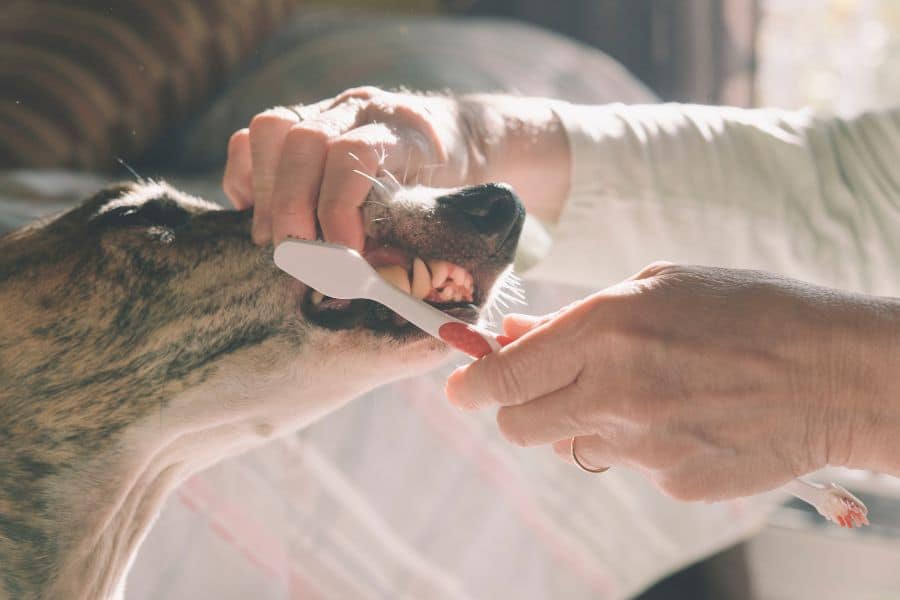
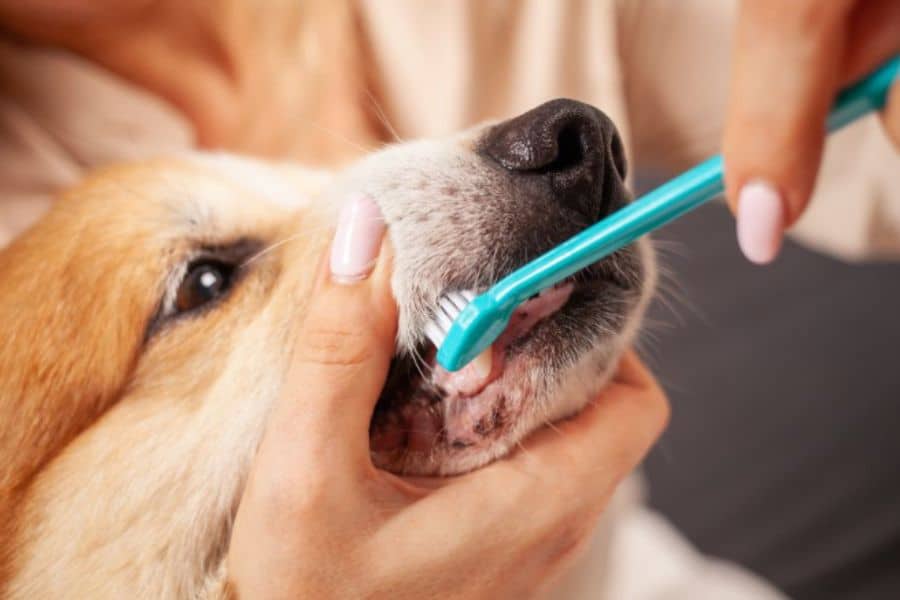
Bad breath is often dismissed as normal. Persistent odor, drooling, or difficulty chewing may point to oral infection. Dental issues can affect overall health if untreated.
Regularly lifting your pet’s lip to check the gums for redness or swelling helps identify concerns early.
Bathroom Habit Changes
Monitor how often your pet urinates and defecates. Accidents in a well-trained pet, straining, or blood in urine require immediate attention. Keeping track of litter box or yard habits provides valuable insight.
When to Seek Professional Guidance
Trust your instincts. If a symptom lasts more than 24–48 hours, appears severe, or involves pain, contact a professional promptly. Early evaluation prevents minor issues from becoming serious cases of pet disease.
If you would like to explore preventive care, wellness exams, dental services, and other support options available for your companion, we invite you to visit our website to learn more about our comprehensive services and how we approach personalized care.
Local Considerations for Daytona Beach Pet Owners
Warm, humid weather in coastal areas can increase skin irritations and parasite exposure. Sand, saltwater, and seasonal storms may also influence your pet’s comfort and behavior.
In Daytona Beach, outdoor-loving dogs often spend time near the shore or in neighborhood parks. After beach visits, rinse your pet to reduce skin dryness and check paws for small cuts from shells or debris. Local wildlife can also expose pets to parasites, so year-round prevention is essential.
Community awareness plays a strong role in prevention. Many families here treat pets as active members of their households, joining them on walks along the Halifax River or relaxing in shaded backyards. Observing your pet during these routines makes it easier to notice subtle differences.
Building a Habit of Observation
Create a simple weekly check routine:
-
Look at the eyes and ears
-
Feel along the body for lumps
-
Check gums and teeth
-
Observe walking pattern
-
Monitor appetite and water intake
This five-minute habit strengthens your understanding of what is normal for your pet. Familiarity makes small changes easier to recognize.
Conclusion
Recognizing early warning signs empowers you to protect your companion’s health before small concerns grow into serious problems. Careful observation, routine checkups, and quick action when something feels off create a strong foundation for lifelong well-being. Your attentiveness truly matters.
We are conveniently located in Daytona Beach, FL, and welcome you to our facility at 600 Mason Ave, Suite 200, Daytona Beach, FL 32117—where compassionate care and community come together for your pet’s well-being. Schedule an appointment with Rawls Veterinary Hospital.
Frequently Asked Questions(FAQs):
1. How do I know if my pet’s symptoms are serious?
A: If symptoms persist beyond 48 hours, worsen quickly, involve pain, or include breathing trouble, seek care immediately. Sudden behavior changes combined with physical signs also require prompt evaluation.
2. Is occasional vomiting normal?
A: Single episodes may occur due to diet changes or minor upset. Repeated vomiting, blood, or lethargy alongside it signals a need for professional assessment.
3. Can the weather in coastal Florida affect my pet’s health?
A: Yes. Humidity increases skin issues, and parasites thrive in warm climates. Regular prevention and skin checks are especially important in this region.
4. How often should I examine my pet at home?
A: A brief weekly check helps you notice early changes. Daily observation during feeding and playtime also provides helpful insight.
5. Are behavior changes always related to illness?
A: Not always. Stress or environmental shifts can influence mood. Persistent or sudden changes without a clear reason deserve evaluation.
6. What role do routine exams play in prevention?
A: Routine exams detect hidden problems before symptoms become obvious. Early screening reduces the risk of advanced pet disease and supports long-term wellness.
Related Articles